Understanding Electrical Services
In today’s ever-evolving world, the demand for efficient and safe electrical services has never been more critical. Electrical systems are the backbone of modern homes, powering everything from essential lighting to sophisticated smart home technologies. Understanding the scope of electrical services and their importance is paramount for homeowners and businesses alike. Not only do these services ensure comfort and convenience, but they also play a key role in ensuring safety and compliance with regulatory standards. When exploring options, learn more about the various services available and the benefits they offer.
What Are Electrical Services?
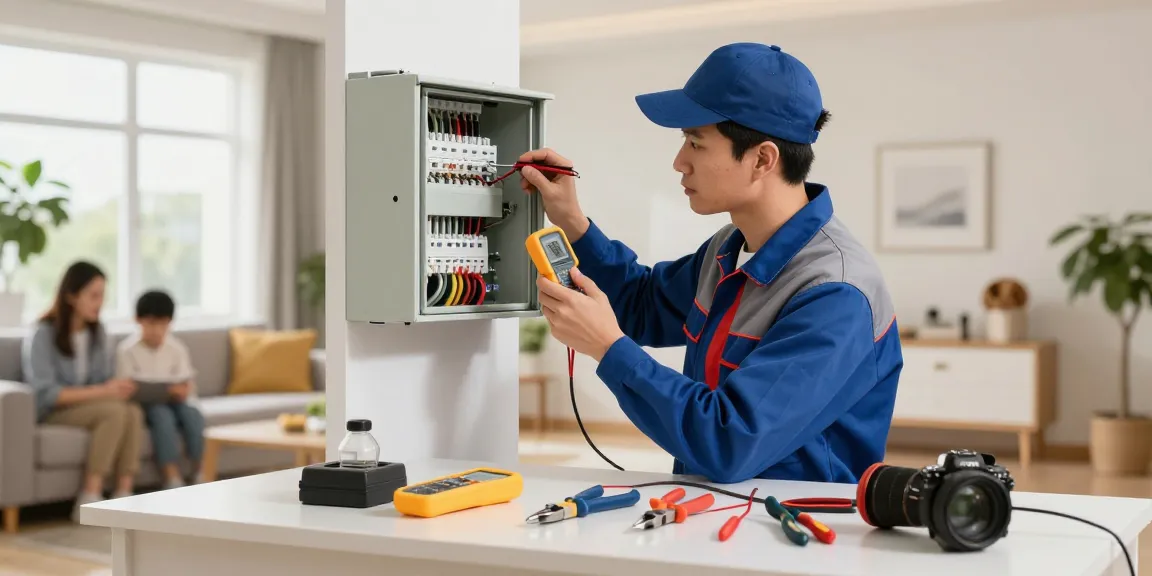
Electrical services encompass a wide range of tasks performed by skilled professionals to install, maintain, and repair electrical systems in residential, commercial, and industrial settings. These services include installations of lighting systems, circuit breakers, electrical panels, home automation systems, and regular inspections to ensure compliance with safety standards. Additionally, electricians provide troubleshooting for electrical problems, ensuring that systems operate efficiently and safely.
Common Electrical Issues in Homes
Homeowners often encounter various electrical issues, which can range from minor inconveniences to significant safety hazards. Some common problems include:
- Flickering lights: This can indicate an overloaded circuit or a loose connection.
- Tripped breakers: Frequent tripping suggests a potential overload or short circuit.
- Dead outlets: Non-functional outlets can be caused by faulty wiring or a blown fuse.
- Burning smells: This is a serious issue that may indicate overheating wiring or a malfunctioning appliance.
Why Reliability Matters in Electrical Work
Reliability in electrical work is paramount as it directly affects the safety and functionality of a space. An unreliable electrical system can lead to power outages, property damage, and even life-threatening situations. Choosing a reputable electrician or electrical service ensures that installations and repairs are performed to industry standards, reducing the risk of faulty work and ensuring compliance with local regulations.
Choosing the Right Electrician
Finding a qualified electrician is crucial for ensuring the safety and reliability of your electrical systems. With so many options available, it’s essential to make an informed choice. Here are key factors to consider when selecting the right electrician for your needs.
Key Qualifications to Look For
When evaluating potential electricians, consider the following qualifications:
- Licensing: Ensure the electrician holds a valid license that complies with state or regional regulations.
- Experience: Look for an electrician with a proven track record in residential or commercial electrical work.
- Insurance: Verify that the electrician carries liability insurance to protect you from potential claims.
- References: Request testimonials or references from previous clients to gauge their reliability and quality of work.
Questions to Ask Potential Electricians
Before hiring an electrician, asking the right questions can help clarify their qualifications and your expectations. Consider inquiring about the following:
- What kind of experience do you have with projects similar to mine?
- Can you provide a detailed estimate of the project costs?
- What is your warranty or guarantee on work performed?
- How do you handle unexpected issues or costs during a project?
How to Verify Their Credentials
Verifying an electrician’s credentials is a critical step in the hiring process. Check their licensing status through state regulatory boards, read online reviews, and consult local consumer protection agencies. Additionally, consider using professional networks to verify qualifications and reputation within the industry.
Safety First: Electrical Work Fundamentals
Safety is a top priority in any electrical work. Understanding the fundamentals of electrical safety can protect both electricians and homeowners from potential hazards associated with electrical systems.
Understanding Electrical Safety Standards
Electricians must adhere to established safety standards to prevent accidents and ensure compliance with regulations. Familiarity with the National Electrical Code (NEC) and local standards is crucial for all electrical work, ensuring safe installations and maintenance.
Personal Protective Equipment (PPE) Essentials
Electricians must use appropriate personal protective equipment (PPE) to mitigate risks while working with electricity. Essential PPE includes:
- Insulated gloves: Protect against electrical shock.
- Safety glasses: Shield eyes from flying debris.
- Hard hats: Guard against head injuries from overhead hazards.
- Flame-resistant clothing: Reduce the risk of burns in case of electrical arcs.
Emergency Procedures for Electricians
Preparedness for emergencies is essential for electricians. Training in first aid and CPR, as well as knowing how to respond to electrical fires and shocks, can save lives. Electricians should also have a clear emergency plan that includes the location of first aid kits and emergency contact numbers.
Cost Factors in Electrical Services
Understanding the cost factors of electrical services is vital for effective budgeting. While prices can vary based on several factors, knowing what to expect can help you avoid surprises.
Understanding Pricing Models
Electricians use various pricing models, including hourly rates, flat fees for specific services, or project-based pricing for larger jobs. Understanding these models can help you choose the most cost-effective option for your project.
Budgeting for Electrical Work
When budgeting for electrical work, consider the following steps:
- Get detailed estimates from multiple electricians to compare costs.
- Set aside additional funds for unexpected issues that may arise during the project.
- Prioritize essential repairs over cosmetic upgrades when working with a tight budget.
Hidden Costs to Be Aware Of
In some cases, hidden costs may arise during a project. Common hidden costs include:
- Permits: Local regulations often require permits for electrical work.
- Upgrades: Older homes may need electrical panel upgrades to support modern appliances.
- Unexpected repairs: Discovering outdated or faulty wiring can increase project costs.
Future Trends in Electrical Services
The electrical services industry is continuously evolving, driven by technological advances and shifts in consumer demand. Keeping an eye on these trends can help homeowners make informed decisions about their electrical needs.
Technological Advances in Electrical Work
Emerging technologies such as smart home systems, solar energy solutions, and energy-efficient appliances are revolutionizing the electrical landscape. Electricians must stay updated on the latest innovations to provide the best service possible, enabling homeowners to take advantage of modern conveniences and sustainability.
Emerging Skills for Electricians in 2026
As the electrical field evolves, so too must the skills of electricians. Future electricians will need to master:
- Smart home technology installations and troubleshooting.
- Renewable energy systems, including solar panel installation.
- Advanced safety protocols and compliance with evolving standards.
Green Energy and Its Impact on Electrical Services
As the push for sustainability grows, electricians will increasingly focus on integrating green energy solutions. This includes working with solar panels, energy-efficient systems, and electric vehicle charging stations, all of which require specialized knowledge and training.
What is the importance of hiring a licensed electrician?
Hiring a licensed electrician ensures that the work performed meets safety standards and legal requirements. Licensed electricians have undergone extensive training and testing, which gives homeowners peace of mind regarding the quality and safety of their electrical systems.
How can I ensure the safety of my home’s electrical system?
Regular inspections by a qualified electrician can help maintain the safety and functionality of your home’s electrical system. Additionally, staying informed about warning signs, such as flickering lights or unusual electrical odors, can prompt timely interventions.
What are the latest innovations in home electrical systems?
Recent innovations in home electrical systems include smart lighting and automation, energy management systems, and improved energy-efficient devices. These advancements not only enhance convenience but also contribute to reduced energy consumption and costs.
How often should I have my electrical system inspected?
It is advisable to have your electrical system inspected at least every three to five years, depending on the age of your home and the frequency of electrical issues. Homes over 25 years old may require more frequent inspections to ensure safety compliance.
What to do during an electrical emergency?
In the event of an electrical emergency, it’s vital to act quickly. If there is an electrical fire, shut off power if it’s safe to do so, use a fire extinguisher rated for electrical fires, and call emergency services immediately. For electrical shocks, do not touch the victim until the source of electricity is turned off, and seek medical help right away.