
Understanding Sports Broadcasting
What is Sports Broadcasting?
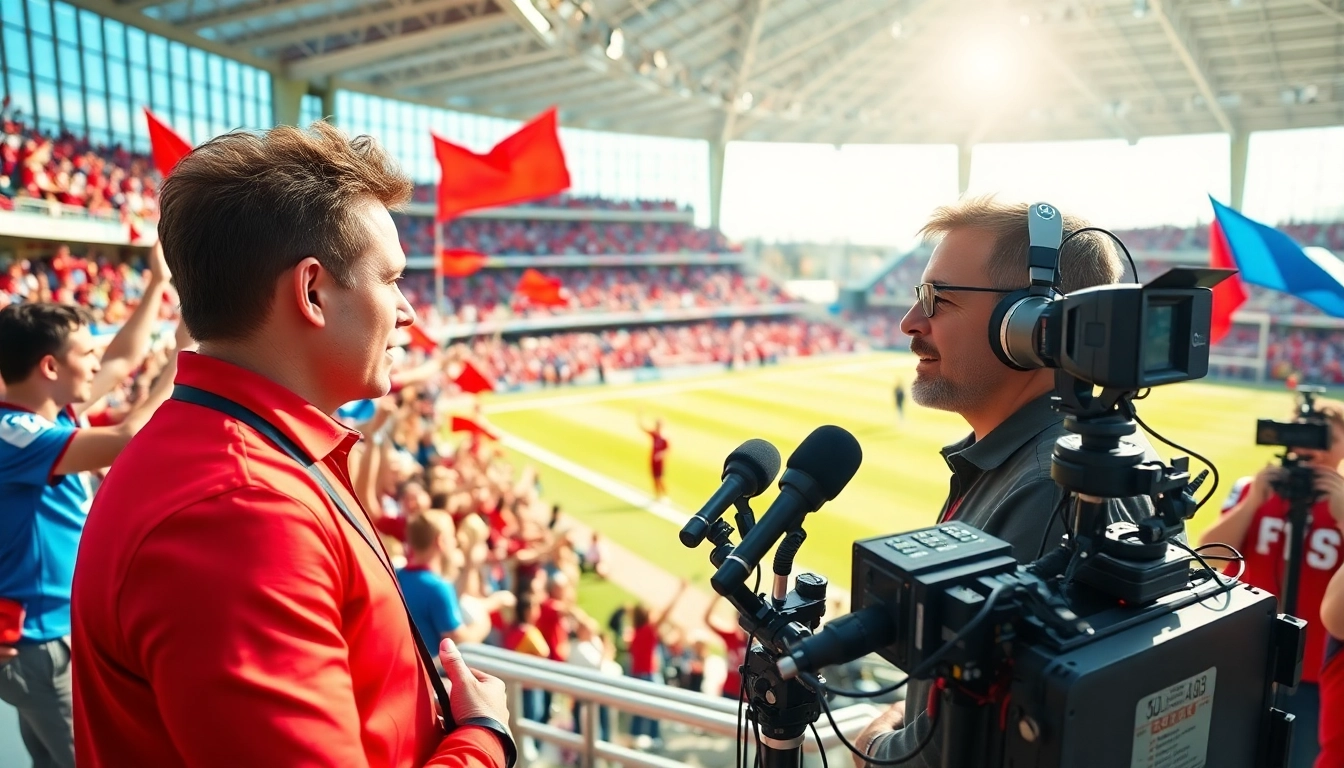
Sports broadcasting is a specialized field within the media industry focused on delivering sports events, news, and analysis to audiences around the globe. Utilizing various platforms, including television, radio, and digital media, it encompasses everything from live game coverage to detailed commentary and expert analysis. The goal is to inform and entertain sports fans by providing real-time updates and in-depth discussions about their favorite sports, teams, and athletes. For those looking to delve deeper into this dynamic field, resources like Sports Broadcasting can be instrumental in understanding its nuances.
Importance of Sports Broadcasting
The significance of sports broadcasting cannot be overstated. It acts as a bridge between events happening on the field and the fans watching at home or in the stands. This sector not only generates billions in revenue through advertising and sponsorships but also plays a crucial role in shaping public perceptions of sports and athletes. Furthermore, sports broadcasting enhances community engagement, as local shows often promote high school and collegiate athletic events, creating widespread local support.
Types of Sports Broadcasting
Sports broadcasting is diversified into several categories, each targeting different audiences and methods of delivery:
- Live Sports Coverage: This is real-time broadcasting of sports events, crucial for fans who want to experience the excitement as it unfolds.
- Sports News Shows: These provide updates on recent games, athlete performances, and upcoming events, keeping fans informed.
- Analysis Programs: Featuring expert commentary, these shows discuss game strategies, key players, and team performance.
- Documentaries: These delve into the stories behind the sports, athletes, and events, providing depth to the fan’s understanding.
- Podcasts and Digital Content: Gaining popularity due to their accessibility, these formats allow fans to consume sports content on-the-go.
Essential Skills for Sports Broadcasting
Effective Communication Techniques
Effective communication is at the heart of successful sports broadcasting. Broadcasters must articulate their thoughts clearly and concisely while engaging with the audience. This includes mastering the use of tone, pitch, and pacing to maintain listener interest. A good broadcaster also knows how to ask the right questions during interviews and engage in meaningful conversations, fostering a connection with both guests and viewers.
Engaging with Audiences
Engagement strategies are vital for building a loyal audience base. Broadcasters must understand their target audience and create content that resonates with them. Utilizing social media platforms to interact with fans, conduct polls, and address viewer questions during broadcasts can significantly enhance engagement. Successful broadcasters are adept at reading their audience and adjusting their delivery to maintain a high level of interest.
Research and Preparation
Thorough research is a critical skill that separates great broadcasters from average ones. This involves not only knowing the statistics and history of the sports they cover but also understanding the cultural and emotional connections fans have with teams and players. Preparation includes reviewing recent performances, researching storylines, and even anticipating the questions fans might have during broadcasts.
Challenges in Sports Broadcasting
Dealing with Technical Issues
Technical issues can arise unexpectedly during live broadcasts, from equipment failures to connectivity problems. Broadcasters must remain calm, thinking on their feet to provide commentary or entertainment in the absence of visuals. This requires a solid understanding of the technology and backup plans that can be put into action immediately.
Adapting to Live Coverage
Live coverage of sporting events can be unpredictable. Broadcasters must react swiftly to developing scenarios, such as unexpected plays or injuries. This adaptability extends to how they deliver content, often needing to improvise commentary without missing critical storytelling elements. The ability to think quickly while ensuring that the audience remains engaged is crucial.
Managing Audience Expectations
With the rise of social media, audience expectations have increased significantly. Fans now expect immediate updates and insights. Broadcasters need to manage these expectations by delivering timely content, but they must also adhere to professional standards, ensuring that accuracy does not suffer for speed. Balancing these demands requires excellent organizational skills and a commitment to quality.
Best Practices in Sports Broadcasting
Crafting a Unique Style
Your personal style in broadcasting sets you apart from others. Developing a unique voice and perspective can engage audiences more deeply. This could be achieved through a signature way of commenting on games, a knack for storytelling, or even a distinct humor. Authenticity is key; audiences can identify when a broadcaster is genuine, fostering loyalty and engagement.
Utilizing Technology Effectively
With continuously evolving technology, staying updated on the latest broadcasting tools is essential. This includes familiarizing oneself with advanced graphics, real-time statistics, and even augmented reality to enhance viewer experience. Engaging with new technologies can also make broadcasts more dynamic and informative, ensuring audiences remain captivated.
Building Strong Relationships
Strong relationships with players, coaches, and other stakeholders enrich the broadcasting experience. By cultivating trust and rapport, broadcasters can gain access to exclusive content and insights that make their coverage stand out. Additionally, fostering connections with the audience through social media enhances community involvement, making fans feel they are part of the conversation.
Measuring Success in Sports Broadcasting
Analyzing Audience Engagement Metrics
Success in sports broadcasting is quantifiable through various metrics, which include viewership ratings, social media engagement, and audience feedback. Understanding these analytics helps broadcasters to refine their content and approach, ensuring they align with audience preferences and trends.
Feedback and Continuous Improvement
Soliciting feedback from viewers is essential for growth. Surveys, social media interactions, and direct viewer comments provide valuable insight into what works and what does not. By embracing constructive criticism and making necessary changes, broadcasters can continuously improve their skills and content offerings.
Future Trends in Sports Broadcasting
As technology evolves, so does sports broadcasting. Key trends include the rise of streaming services and personalized content delivery. Virtual reality experiences are expanding how fans engage with sports, offering immersive viewing options. Staying ahead in this competitive field requires broadcasters to embrace innovations while maintaining their core values of quality and integrity.
Frequently Asked Questions (FAQs)
1. What qualifications do I need for sports broadcasting?
While formal education in journalism or communications is helpful, passion, experience, and effective communication skills are essential for a successful career in sports broadcasting.
2. How can I improve my broadcasting skills?
Practice regularly, seek feedback, and shadow experienced broadcasters. Watching and analyzing their techniques can also provide insight into best practices.
3. What technologies are crucial in sports broadcasting?
Key technologies include high-definition cameras, virtual graphics, high-speed internet for streaming, and social media tools that enhance audience interaction.
4. How can I engage with my audience more effectively?
Use social media platforms for real-time interaction, ask for feedback, and create content that resonates with your specific audience demographics.
5. What are the biggest challenges in sports broadcasting?
Challenges include managing technical difficulties, adapting to live event dynamics, and meeting the growing expectations of an increasingly tech-savvy audience.