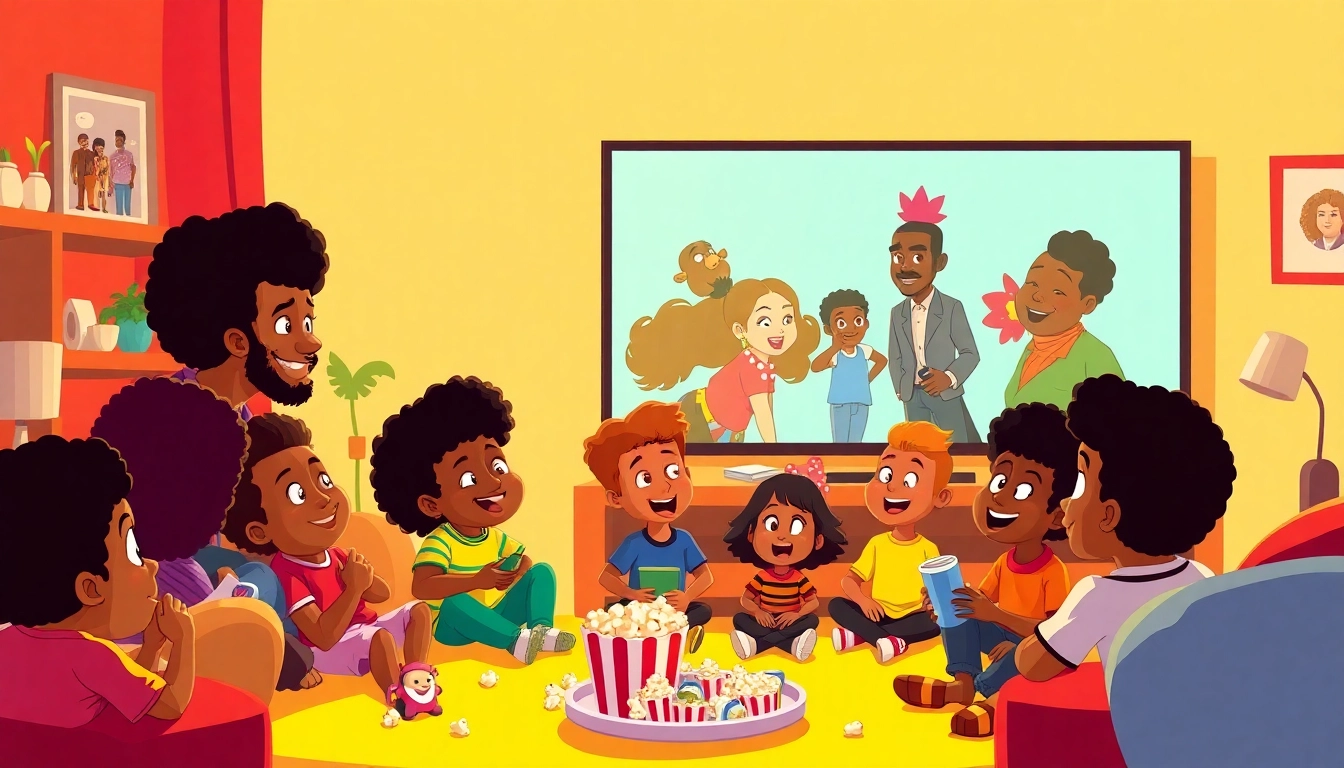
The Significance of African American Cartoons in 2026
In the ever-evolving landscape of animation, African American cartoons hold a pivotal place that transcends mere entertainment. From educating young audiences about cultural heritage to providing social commentary on contemporary issues, these animated narratives reflect the rich tapestry of African American experiences. As we venture further into 2026, the importance of these cartoons continues to grow, offering both nostalgia for older generations and fresh perspectives for younger viewers. When exploring options, African American Cartoons provide comprehensive insights into this vibrant genre.
Understanding Cultural Representation
Cultural representation in media is not just a matter of visibility; it shapes identities and societal understanding. African American cartoons, whether aimed at children or adult audiences, offer nuanced portrayals of culture, history, and societal dynamics. Through characters that resonate with viewers’ experiences, these shows break down stereotypes and foster a sense of belonging. For example, shows like “The Boondocks” and “The Proud Family” delve into everyday life while tackling issues like racism, community, and self-identity, making them essential for discussions around representation.
Historical Context of Black Animation
The journey of African American animation is rich and complex, dating back to the early 20th century. Pioneering efforts by creators like Floyd Norman, the first African American animator at Disney, set the stage for later successes. In the 70s and 80s, shows like “Fat Albert and the Cosby Kids” introduced relatable characters in a fun yet educational manner, paving the way for more diverse stories. Fast-forward to the 2000s, and we see a resurgence of black-led animations, reflecting the cultural shifts and growing demand for authentic representation in media.
Impact on Future Generations
The impact of African American cartoons extends beyond entertainment; they serve as pivotal educational tools. Children exposed to diverse characters and storylines develop a broader understanding of race, culture, and empathy. Shows like “Doc McStuffins” not only entertain but also teach valuable lessons about health and leadership. As these narratives evolve, they continue to inspire future generations to appreciate diversity and foster inclusivity, shaping a more empathetic and informed society.
Top African American Cartoons You Should Watch
Classic Favorites from the 90s
The 1990s marked a golden era for African American cartoons, introducing several beloved classics. “The Proud Family” followed a young girl navigating adolescence in a culturally rich household, while “Hey Arnold!” featured strong representation of diverse backgrounds. These shows not only entertained but also provided relatable lessons on family, friendship, and identity, resonating with audiences across generations.
Modern Hits for the New Generation
As we move into the 2020s, new animated series have emerged that continue to uphold the tradition of cultural representation. “Craig of the Creek” captures the adventures of a young boy and his friends in a suburban environment, showcasing the importance of community and collaboration. Similarly, “Tuca & Bertie,” although not exclusively about African American culture, features the experiences of two women navigating life in vibrant, colorful storytelling that resonates widely.
Hidden Gems in Animation
Among the plethora of mainstream cartoons, several hidden gems deserve recognition. “Motown Magic” is a delightful animated series for children that introduces them to the classics of Motown music while embedding valuable lessons about friendships and creativity. “Bino and Fino” is another standout, focusing on African culture and values in a fun and engaging way, providing children with relatable content that encourages curiosity about their heritage.
Character Diversity in African American Cartoons
Iconic Characters that Shaped Cultural Narratives
Characters like Huey and Riley Freeman from “The Boondocks” have left an indelible mark on animation, providing sharp social commentary on race and identity. Similarly, characters from “The Proud Family” offer insights into family dynamics, cultural pride, and the complexities of growing up as an African American in today’s society. These portrayals are crucial, as they help viewers see themselves represented onscreen, fostering a sense of validation and belonging.
Diverse Voices Behind the Scenes
The animation industry has seen a gradual shift towards inclusivity, with more African American creators, writers, and animators stepping into influential roles. With industry leaders like LaToya Morgan and Chris Brewster, the narratives are being shaped by those with lived experiences, enriching the storytelling process. Their contributions not only diversify the voices we hear but also ensure that the narratives resonate authentically with audiences.
How Representation Influences Audience Perception
Research indicates that representation in media significantly influences audience perceptions of race and culture. When children watch cartoons featuring diverse characters who overcome challenges, they internalize messages of resilience and empowerment. This representation challenges stereotypes and encourages a more inclusive worldview, which is vital for nurturing open-mindedness in future generations.
Educational Value of African American Cartoons
Lessons and Morals in Animated Stories
The educational value of African American cartoons goes beyond their entertainment factor. Shows often integrate lessons about social justice, morality, and community responsibility, teaching children important life skills and ethical considerations. For instance, episodes addressing issues like bullying and friendship in shows like “The Proud Family” and “Doc McStuffins” illustrate vital social lessons that resonate with young audiences.
Encouraging Cultural Awareness through Animation
Cartoons play a significant role in promoting cultural awareness among children. By presenting stories that reflect the African American experience, these shows invite kids to engage with and appreciate diverse cultures. Whether it’s through music, storytelling, or character development, the educational potential of these cartoons fosters discussions about race, identity, and acceptance in classrooms and homes alike.
Using Cartoons as Teaching Aids
Educators increasingly recognize the power of cartoons as effective teaching aids. By incorporating African American cartoons into lesson plans, teachers can spark discussions about history, culture, and social issues, providing students with relatable contexts for learning. This approach not only makes learning more engaging but also helps students connect academic content with their own lives.
Future Trends in African American Animation
Emerging Animation Techniques and Technologies
The future of African American animation looks promising, with technological advancements opening new avenues for creativity. Innovations like augmented reality (AR) and virtual reality (VR) are beginning to be intertwined with storytelling, offering interactive experiences that can enhance engagement. As these technologies become more accessible, they will likely revolutionize how stories are told and consumed in the animation space.
Engaging Young Audiences in New Ways
To capture the interest of the digital-native generation, animators are exploring interactive and transmedia storytelling methods. This shift enables audiences to engage with characters and plots beyond traditional viewing, creating a more immersive experience. Projects that allow viewer participation or branching storylines are becoming increasingly popular, ensuring that African American narratives remain relevant and exciting for younger audiences.
Predictions for the Next Wave of Animated Series
Looking ahead, we can expect to see an influx of new African American animated series that push boundaries and explore uncharted narratives. With a focus on inclusivity and representation, these upcoming shows might tackle complex themes such as mental health, identity, and societal challenges in a relatable manner. The ongoing demand for authentic storytelling is likely to inspire content creators to bring forth innovative and diverse characters that reflect the multifaceted experiences of African Americans.