
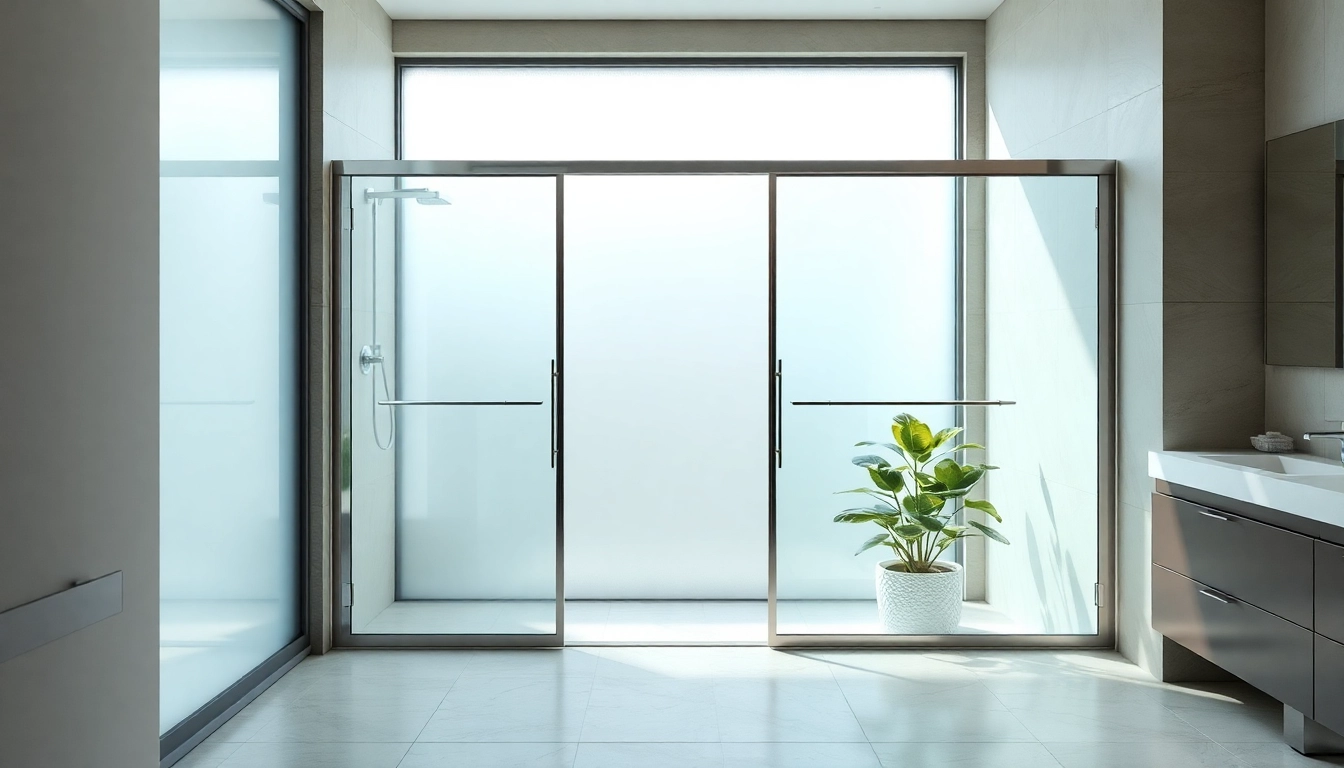
Understanding Sliding Shower Screens
What are Sliding Shower Screens?
Sliding shower screens are an innovative solution for modern bathrooms, allowing the doors to glide open and shut rather than swinging outward. This design optimizes bathroom space by minimizing the area required for door clearance. Typically made of glass, sliding shower screens combine stylistic elegance with practical functionality, making them a popular choice in contemporary home design. Additionally, they reduce water splashing onto bathroom floors, improving overall safety and cleanliness.
Key Benefits of Sliding Shower Screens
Choosing sliding shower screens offers several advantages:
- Space Efficiency: Ideal for smaller bathrooms where every inch counts, these screens slide along a track, requiring no extra room to open.
- Modern Aesthetic: Sliding screens impart a sleek and streamlined look to your bathroom, enhancing its aesthetic appeal.
- Easy to Clean: With minimal hardware, cleaning sliding shower screens is simpler compared to traditional hinged doors.
- Greater Safety: Their enclosed design prevents water from escaping and helps minimize slip hazards on the bathroom floor.
Materials Used in Sliding Shower Screens
Sliding shower screens come in various materials, each offering unique benefits:
- Tempered Glass: This is the most common material, known for its durability and strength. It’s designed to shatter into small, blunt pieces instead of sharp shards, making it safer.
- Stainless Steel: Often used in the tracks and frames, stainless steel provides strength and resists rust and corrosion.
- Aluminum: Lightweight yet strong, aluminum frames are also rust-resistant and ideal for supporting glass panels.
Choosing the Right Sliding Shower Screens
Size and Space Considerations
When selecting sliding shower screens, evaluating the dimensions of your bathroom is crucial. Measure the width and height of the shower space, allowing for any additional features like shelving or fixtures. Narrow bathrooms may benefit more from corner installations or custom sizes, ensuring your sliding shower screens do not hinder accessibility.
Design Styles and Aesthetics
Sliding shower screens come in various designs, each catering to specific styles:
- Frameless: These screens provide a minimalist look, using glass without additional framing, making them appear almost invisible.
- Framed: Featuring a robust framework, these screens are often more budget-friendly yet still offer numerous design options.
- Textured or Patterned Glass: For a unique touch, textured glass can offer both privacy and visual intrigue in your bathroom design.
Budget-Friendly Options
Determining your budget is critical when choosing sliding shower screens. While various price points exist, finding a balance between aesthetics and affordability is key. Basic framed options can be more cost-effective, while frameless designs often have higher price tags due to their premium materials and finishes. Researching various retailers and exploring seasonal offers can lead to significant savings.
Installing Sliding Shower Screens
Tools Required for Installation
Installing sliding shower screens can be a DIY project if you have the right tools. Essential items typically include:
- Drill
- Screwdriver
- Level
- Measuring tape
- Rubber mallet
Step-by-Step Installation Guide
Follow these general steps:
- Measure Your Space: Accurately measure the area where the screens will be installed.
- Prepare the Track: Secure the track to the wall using a drill, ensuring it is level.
- Install Rollers: Attach rollers to the top edge of the glass panels.
- Hang the Panels: With assistance, lift the panels into place on the installed track.
- Secure the Panels: Use screws and any provided hardware to secure the panels.
- Test the Operation: Check to ensure that the doors slide open and close smoothly before finalizing installation.
Hiring Professional Help vs. DIY
When deciding whether to install sliding shower screens yourself or hire professionals, consider the complexity of the installation and your comfort level with tools. DIY projects can save on labor costs but require time and precision. If you lack experience, hiring a professional might ensure a flawless installation, particularly with frameless screens that need precise measurements.
Maintenance Tips for Sliding Shower Screens
Regular Cleaning Practices
To maintain the appearance and functionality of sliding shower screens, implement these cleaning practices:
- Use a squeegee after each use to remove water spots and soap residue.
- Clean with a mixture of vinegar and water to prevent soap scum buildup.
- Use non-abrasive sponges to avoid scratching the glass.
Preventing Water Damage
To guard against mold and mildew, ensure that your shower screens fit tightly against the walls. Regularly check for any gaps and seal them if necessary. Using a daily shower cleaner can also help reduce buildup that leads to water damage.
Repairing Common Issues
If your sliding shower screens develop issues, common repairs include:
- Adjusting Rollers: If the screens are difficult to slide, they may need roller adjustments.
- Replacing Seals: Worn seals should be replaced to prevent leaks.
- Tightening Hardware: Regularly check and tighten screws or fixtures to maintain stability.
FAQs about Sliding Shower Screens
Are sliding shower screens good?
Yes, they save space, provide a modern aesthetic, and minimize water splash, making them an excellent choice for many bathrooms.
How much is a glass sliding door for a shower?
Costs for sliding doors typically range from $700 to $2,000, depending on the material, size, and customizations.
Do sliding shower screens save space?
Absolutely! Sliding doors require minimal space compared to hinged doors that need room to swing open, making them ideal for smaller bathrooms.
Can sliding shower screens be installed in a corner?
Yes, many sliding screens are designed specifically for corner installations, offering a great solution for compact spaces.
What maintenance do sliding shower screens require?
Regular cleaning with non-abrasive products, checking seals, and ensuring hardware is tightened are essential for longevity.