
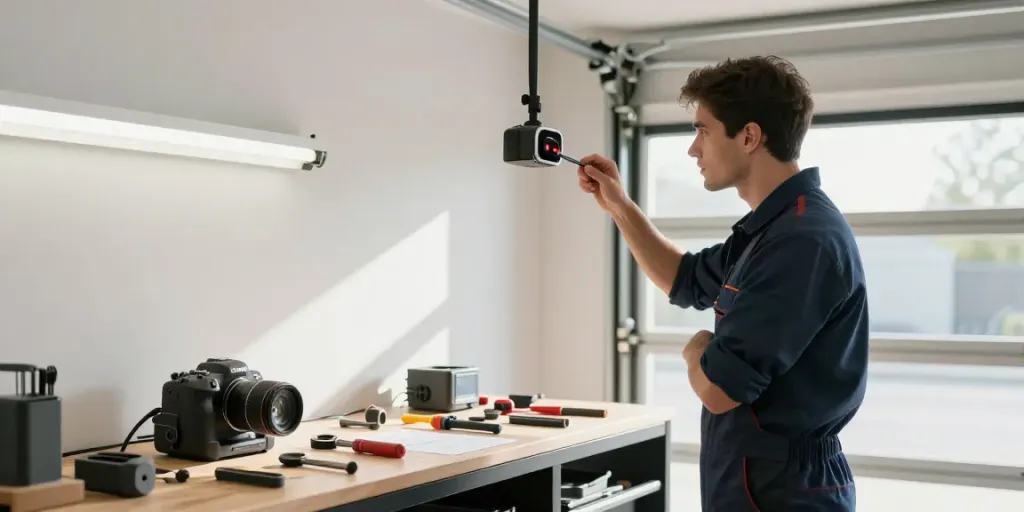
Understanding Garage Door Sensors and Their Importance
Garage door sensors are vital components in ensuring the safety and functionality of your garage door system. These devices are designed to detect obstacles and prevent accidents, playing a crucial role in the automated operation of modern garage doors. When exploring options, garage door sensor repair is essential to maintaining a seamless garage experience. In this guide, we will delve into what garage door sensors are, how they work, and common issues that may arise.
What Are Garage Door Sensors?
Garage door sensors are small devices typically mounted on either side of the garage door, close to the floor. Their primary function is to detect any obstructions in the door's path, ensuring that the door does not close on people, pets, or objects. These sensors are often part of a larger garage door opener system, which includes the motor, remote control, and other essential components.
How Garage Door Sensors Work
Garage door sensors operate using infrared technology. Each sensor emits an infrared beam to the other sensor; when this beam is interrupted, the door's downward motion is halted, preventing any potential accidents. When functioning correctly, these sensors enable the garage door to reverse if an object is detected. If the sensors are misaligned or obstructed, they may fail to detect obstacles, which can lead to unintended accidents.
Common Issues with Garage Door Sensors
Several issues can affect the performance of garage door sensors, including:
- Misalignment: Sensors may become misaligned due to movement or impact, which can prevent them from detecting the beam.
- Obstructions: Dirt, debris, or spider webs can block the sensor beams, causing them to malfunction.
- Wiring Issues: Damaged or frayed wires can lead to intermittent or complete loss of function.
- Power Supply Problems: Faulty connections or power supply issues may inhibit the sensors from working correctly.
Signs You Need Garage Door Sensor Repair
Recognizing the signs that indicate your garage door sensors may need repair can prevent accidents and costly damages. If your garage door exhibits any of the following symptoms, it may be time to call a technician:
Symptoms of Faulty Sensors
- The garage door does not close completely and returns to the open position.
- Flashing lights on the garage door opener, indicating sensor malfunction.
- Physical damage or misalignment of the sensors.
- Obstructions or dirt around the sensors preventing effective operation.
How to Troubleshoot Sensor Problems
Before calling a professional, consider performing some basic troubleshooting steps:
- Check for Obstructions: Inspect the area around the sensors for dirt, debris, or any objects blocking the beam.
- Inspect Sensor Alignment: Ensure that both sensors are aligned and facing each other. They should be at the same height and level.
- Examine Wiring: Look for any visible issues with wires, connections, or plugs leading to the sensors.
When to Call a Professional for Repair
If simple troubleshooting does not resolve the issues, it’s time to call a professional for garage door sensor repair. Persistent problems with the sensors not only affect the convenience of using your garage but also compromise safety.
Best Practices for Maintaining Garage Door Sensors
Keeping your garage door sensors in optimal condition is essential for their longevity and functionality. Implementing the following best practices can help:
Regular Cleaning and Adjustments
To ensure that your sensors function correctly, regularly clean them with a damp cloth to remove dust and debris. Additionally, check for realignment, especially after any significant impact to the sensors.
Testing Your Garage Door Sensors
Regularly test your garage door sensors by placing an object in their path and observing if the door reverses upon detection. This simple test can identify potential issues early.
Preventive Measures to Avoid Repairs
Taking preventive action can prolong your sensors' life and functionality. Ensure adequate lighting around the sensors, avoid placing objects near the sensors, and conduct regular maintenance checks on the entire garage door system.
Cost Considerations for Garage Door Sensor Repair
The cost of garage door sensor repair can vary based on several factors. Understanding these factors can help you prepare for potential expenses:
Average Repair Costs
On average, homeowners can expect to pay between $100 and $250 for garage door sensor repairs. This cost can vary based on the complexity of the repair and whether parts need replacement.
Factors Affecting Repair Prices
- Type of Sensor: The age and model of your sensors can affect repair costs. Older models may have limited availability for replacement parts.
- Labor Costs: Regional labor rates can vary, influencing the overall repair expense.
- Extent of Damage: More significant issues may require more extensive repairs, resulting in higher costs.
Price Comparisons with Other Repairs
When comparing garage door sensor repairs to other types of garage door repairs, such as spring or cable replacements, sensor repairs generally fall on the lower end of the cost spectrum, making them a relatively economical investment in safety.
The Future of Garage Door Sensor Repair in 2026
As technology advances, so does the functionality and repairability of garage door sensors. Here’s what we can expect in the coming years:
Emerging Technologies in Sensor Repair
Newer garage door sensors are being developed with enhanced features, including smart technology that can send alerts to homeowners when issues arise. This technology may also incorporate self-diagnostic capabilities.
Predictions for Sensor Performance Improvements
Improvements in sensor accuracy and responsiveness are anticipated, making them even safer and more reliable in detecting obstructions.
How Consumer Expectations Are Changing
Consumers are increasingly valuing immediate and reliable services for garage door repairs. Companies that offer rapid response times and transparent pricing structures will likely stand out in this competitive market.
Can I replace garage door sensors myself?
While some homeowners may choose to replace their garage door sensors, it is not always advisable. Proper installation requires knowledge of electrical systems and safety precautions, making professional assistance often the best option.
How do I fix my garage door sensors?
Fixing garage door sensors usually involves realigning them, cleaning the lenses, or examining wiring connections. More complex issues may require professional intervention.
How to tell if a garage door sensor is broken?
Indicators of a broken sensor include the garage door not responding correctly, flashing lights on the opener, or visible physical damage to the sensors themselves.
How long do garage door sensors usually last?
Garage door sensors typically last between 5 to 15 years, depending on usage, environmental conditions, and maintenance practices.
What are the common types of garage door sensors?
The most common garage door sensors include photoelectric sensors, which use infrared beams, and pressure sensors that detect weight. Each type serves a specific purpose in ensuring safe operation.