The Science Behind Astaxanthin
What is Astaxanthin?
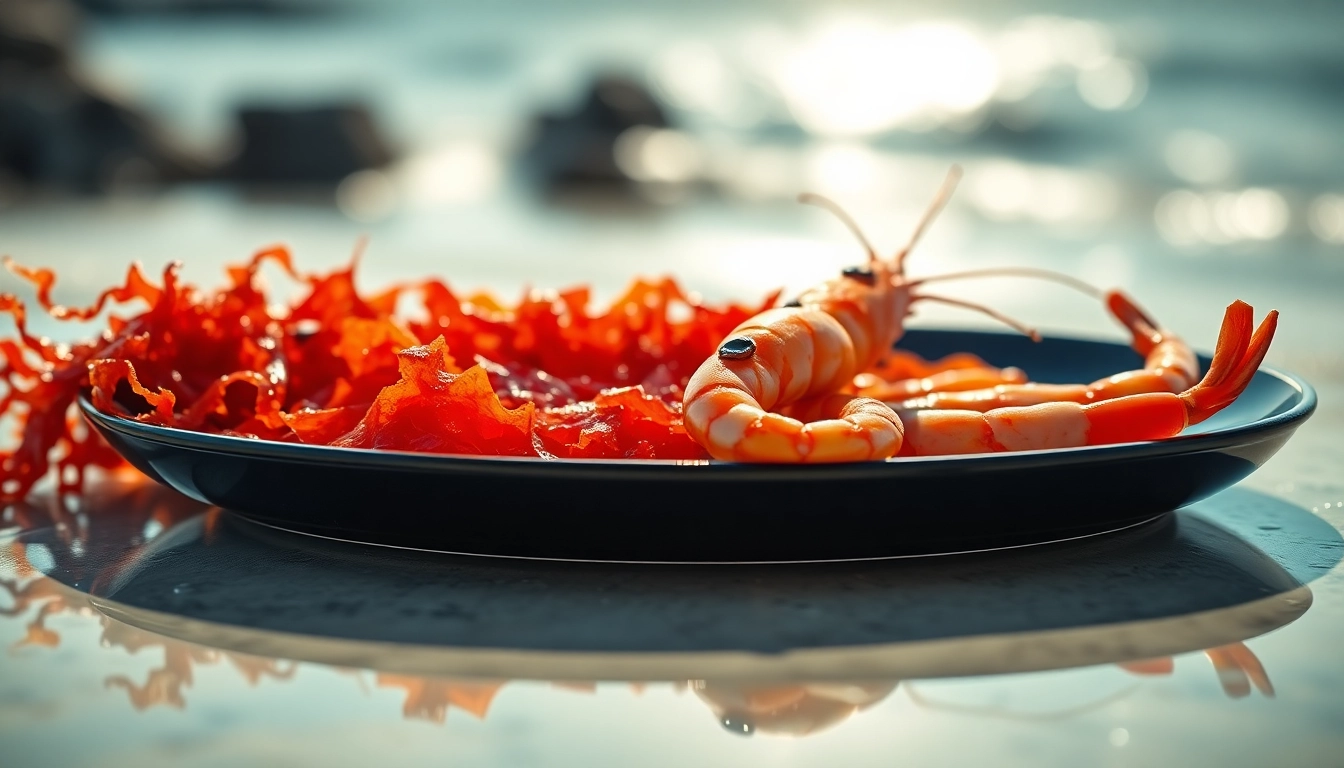
Astaxanthin is a powerful carotenoid pigment found in various natural sources, especially in certain algae, yeast, and seafood. It is known for its rich reddish-orange color, which is why it is often associated with the vibrant hues of shrimp and salmon. Unlike many vitamins and minerals, astaxanthin is not produced by the body, making it essential to source from dietary intake or supplements. Researchers have extensively studied astaxanthin for its potential health benefits, primarily its antioxidant capacity, which surpasses that of other commonly known antioxidants, such as vitamins C and E.
How Astaxanthin Works in the Body
Astaxanthin works at a cellular level by neutralizing free radicals, reactive molecules that cause oxidative stress and cellular damage. Its unique molecular structure allows it to reside in cell membranes, where it provides protection against oxidative damage from UV rays and environmental pollutants. This defensive mechanism is particularly crucial in tissues with high susceptibility to oxidative stress, like the skin and eyes. Furthermore, astaxanthin enhances mitochondrial function, promoting energy production and reducing fatigue. Its anti-inflammatory properties also contribute to overall health by modulating inflammatory pathways.
Sources of Natural Astaxanthin
Natural sources of astaxanthin include:
- Microalgae, particularly Haematococcus pluvialis, which is known to contain the highest concentrations.
- Seafood, such as salmon, shrimp, and lobster, which accumulate astaxanthin through their diet.
- Certain types of yeast and bacteria, though these sources are less common in the diet.
Incorporating these foods into a balanced diet can help ensure adequate astaxanthin intake and provide the associated health benefits.
Health Benefits of Astaxanthin
Antioxidant Properties of Astaxanthin
The antioxidant properties of astaxanthin are among its most significant health benefits. Research indicates that astaxanthin is 6000 times more potent than vitamin C in neutralizing free radicals and 800 times more effective than coenzyme Q10. Its powerful antioxidant action helps protect cells from oxidative damage, which is linked to various chronic diseases, including heart disease, diabetes, and cancer. This defense mechanism is particularly important for athletes and physically active individuals who suffer higher oxidative stress due to intense workouts.
Astaxanthin and Skin Health
Astaxanthin contributes substantially to skin health by combating oxidative stress, promoting skin elasticity, and reducing the appearance of fine lines and wrinkles. Studies have shown that astaxanthin can improve skin hydration and elasticity, making it an excellent addition to skincare routines. Its anti-inflammatory properties also help alleviate conditions like eczema and psoriasis, promoting healthier skin overall. Additionally, astaxanthin’s protective effects against UV radiation can minimize sun damage, helping maintain a youthful appearance.
Astaxanthin for Eye Health
Astaxanthin’s ability to protect against oxidative stress extends to eye health, as it crosses the blood-retinal barrier, providing protection for the eyes. It may help reduce the risk of age-related macular degeneration (AMD) and cataracts by defending retinal cells from oxidative damage and inflammation. Studies suggest that astaxanthin could improve visual acuity and reduce eye strain, making it a valuable nutrient for individuals who spend long hours in front of screens.
Choosing the Right Astaxanthin Supplement
Forms of Astaxanthin Supplements
Astaxanthin supplements come in various forms, including soft gels, powders, and liquids. Each form has its advantages, such as convenience or versatility in recipes. Soft gels are the most popular due to their ease of use and stable formulation, while powders can be mixed with smoothies or foods for added nutrients. When selecting a supplement, look for high-quality products that specify the astaxanthin source and concentration, typically derived from Haematococcus pluvialis for optimal potency.
Dosage Recommendations
While there is no established daily recommended intake for astaxanthin, most studies suggest a dosage range between 4 mg to 12 mg per day for optimal health benefits. It’s advisable to start with a lower dose and gradually increase it while monitoring for any changes in health or potential side effects. Consulting with a healthcare professional before beginning supplementation is essential, especially for individuals with existing health conditions or those taking medications.
Potential Side Effects of Astaxanthin
Astaxanthin is generally considered safe for most people when taken in recommended doses. However, some individuals may experience mild side effects such as stomach upset, changes in skin coloration, or allergic reactions. Pregnant and breastfeeding women should exercise caution and consult a healthcare provider before use. It’s crucial to monitor your body’s response and stop supplementation if adverse effects occur.
Integrating Astaxanthin into Your Diet
Delicious Recipes with Astaxanthin-Rich Ingredients
Incorporating astaxanthin-rich foods into your diet can be both enjoyable and nutritious. Here are a couple of recipes featuring astaxanthin sources:
- Salmon & Avocado Salad: Combine grilled salmon, diced avocado, mixed greens, cherry tomatoes, and a lemon vinaigrette for a fresh, nutrient-packed meal.
- Shrimp Stir-Fry: Sauté shrimp with a variety of vegetables like bell peppers, broccoli, and carrots, seasoned with ginger and garlic for a delicious dinner.
These recipes not only enhance your meals but also ensure you’re getting adequate astaxanthin in a delectable way.
Daily Intake Tips
To maximize your astaxanthin intake, aim to include seafood like salmon or shrimp in your diet at least twice a week. Additionally, consider supplementing with astaxanthin if dietary sources are scarce. Pair astaxanthin-rich foods with healthy fats, such as olive oil or avocado, to enhance absorption. Keeping a food diary can help track your intake and ensure you’re meeting your nutritional goals.
What to Pair with Astaxanthin Foods
Pair astaxanthin-rich foods with other nutrients to create balanced meals. Combining them with foods high in omega-3 fatty acids can further enhance health benefits. For instance, avocado or nuts can be excellent companions to seafood dishes. Additionally, consuming fruits and vegetables rich in vitamin C can boost the body’s antioxidant defense, complementing the effects of astaxanthin.
FAQs About Astaxanthin
What is the best source of astaxanthin?
The best sources of astaxanthin are microalgae, particularly Haematococcus pluvialis, and seafood such as salmon and shrimp.
Can astaxanthin improve athletic performance?
Research suggests that astaxanthin enhances endurance and reduces muscle soreness, potentially improving athletic performance in physically active individuals.
Is astaxanthin safe for long-term use?
Astaxanthin is generally safe for long-term use when taken in recommended dosages. Always consult a healthcare professional for personalized advice.
How does astaxanthin compare to other antioxidants?
Astaxanthin is significantly more potent than many other antioxidants, boasting stronger free radical scavenging abilities than vitamins C and E.
Can astaxanthin help with stress relief?
Astaxanthin’s anti-inflammatory and antioxidant properties may help mitigate oxidative stress, contributing to improved stress management and overall well-being.