
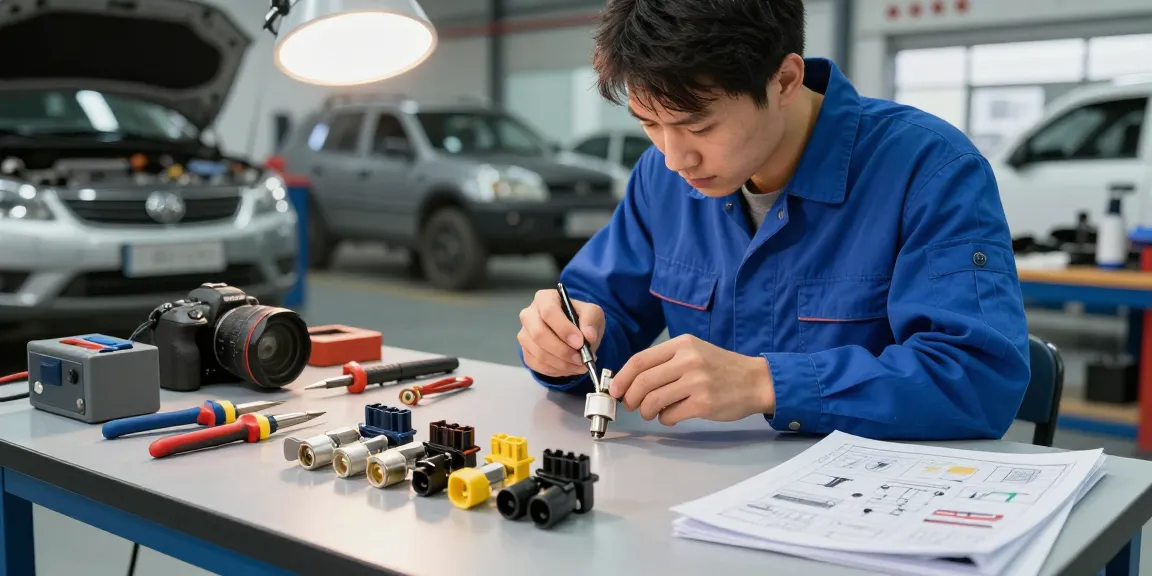
Understanding Automotive Electrical Connectors
In the rapidly evolving automotive industry, the role of automotive electrical connectors cannot be overstated. These components are essential for ensuring seamless communication and functionality across various automotive systems. Designed for precision and reliability, automotive electrical connectors facilitate the flow of electrical current, allowing vehicles to operate efficiently. As the automotive landscape shifts towards more complex systems, understanding the types, applications, and importance of these connectors becomes paramount for manufacturers and end-users alike.
What are Automotive Electrical Connectors?
Automotive electrical connectors are components that join electrical circuits in a vehicle, enabling the transfer of power and signals. They are typically made of conductive materials, designed to provide a secure and reliable connection while minimizing resistance and ensuring optimal performance. Automotive connectors can vary widely in shape, size, and purpose, depending on their specific application within the vehicle.
Types of Automotive Electrical Connectors
Several types of automotive electrical connectors serve various functions within a vehicle’s electrical system. Understanding these types can help manufacturers and engineers make informed choices regarding connector selection. The main categories include:
- Pin and Socket Connectors: Commonly used in wiring harnesses, these connectors comprise a plug (socket) and a receptacle (pin) that interlock to form a secure connection.
- Sealed Connectors: These connectors are designed to protect against moisture and contaminants, making them ideal for outdoor applications where exposure to harsh conditions is inevitable.
- Multifunction Connectors: Used in applications where multiple signal types need to be transmitted, these connectors offer a streamlined solution by integrating various functionalities.
- Terminal Blocks: Often found in larger systems, terminal blocks serve as a conduit for electrical connections across multiple circuits and simplify the wiring process.
Importance of Quality in Electrical Connectors
The quality of automotive electrical connectors is critical for ensuring safe and efficient vehicle operation. Poor-quality connectors can lead to electrical failures, resulting in costly repairs and potentially dangerous situations on the road. High-quality connectors boast:
- Enhanced Reliability: Premium connectors are designed for durability and longevity, minimizing the risk of connection failures.
- Improved Performance: Well-manufactured connectors facilitate better conductivity, resulting in improved electrical system efficiency.
- Safety Compliance: Quality connectors meet stringent safety standards, ensuring they function properly under various conditions and pressures.
The Manufacturing Process of Automotive Electrical Connectors
Understanding the manufacturing process behind automotive electrical connectors can provide insights into their quality and reliability. The process involves several precision engineering techniques and stringent quality assurance protocols that ensure each product meets industry standards.
Precision Engineering Techniques
Manufacturers of automotive electrical connectors employ a variety of precision engineering techniques to ensure the highest quality standards. Key processes include:
- Stamping and Molding: Precision stamping is used to create intricate shapes and designs for connectors, while molding techniques are applied for components like casings and housings.
- Plating: Electroplating provides a layer of protection against corrosion and enhances conductivity, ensuring the longevity of connectors.
- Assembly: Automated assembly processes help maintain consistency and precision during the production of connectors, reducing chances of human error.
Quality Assurance Protocols
To ensure that automotive electrical connectors perform reliably, manufacturers implement thorough quality assurance protocols. These protocols often include:
- Material Testing: Incoming materials are subject to rigorous testing to verify they meet predefined specifications for conductivity, strength, and resistance.
- Functionality Testing: Each connector is tested under real-world conditions to ensure it can withstand the pressures of automotive applications.
- Compliance Auditing: Regular audits are conducted to ensure all manufacturing processes adhere to international standards such as ISO and RoHS.
Environmental Considerations in Manufacturing
As the automotive industry increasingly focuses on sustainability, manufacturers are compelled to consider environmental impacts in their production processes. Effective environmental practices include:
- Waste Reduction: Implementing lean manufacturing techniques minimizes waste during the production process, contributing to more sustainable practices.
- Recyclable Materials: Using recyclable and eco-friendly materials for connectors helps reduce the environmental footprint of automotive components.
- Energy Efficiency: Manufacturers are adopting energy-efficient technologies in their production facilities to lower energy consumption and reduce greenhouse gas emissions.
Applications of Automotive Electrical Connectors
Automotive electrical connectors are utilized across various systems within a vehicle, each tailored for specific applications and requirements. Understanding these use cases showcases the versatility and importance of these components.
Use Cases in Various Automotive Systems
Here are some common applications of automotive electrical connectors:
- Power Distribution: Connectors such as terminal blocks facilitate the distribution of electrical power to various vehicle systems, ensuring uninterrupted power supply.
- Data Transmission: In modern vehicles, connectors are essential for data transmission between electronic control units (ECUs), which manage everything from engine performance to infotainment.
- Sensors and Actuators: Connectors interface with sensors that monitor various parameters, allowing for real-time data collection and response.
- Lighting Systems: Connectors are used to connect headlights, taillights, and interior lights, ensuring proper functionality and safety.
Innovations in Connector Technology for 2026
As the automotive industry evolves, so too does the technology behind electrical connectors. Innovations anticipated for 2026 include:
- Smart Connectors: These connectors will feature integrated sensors to provide real-time monitoring of connection integrity and performance data.
- Wireless Connector Systems: Emerging wireless technologies could revolutionize how electrical connections are made, reducing the need for physical connectors in certain applications.
- Biodegradable Connectors: Research is underway to develop connectors made from biodegradable materials, addressing growing environmental concerns.
Challenges in Connector Performance
While automotive electrical connectors are designed for reliability, they face several challenges that can impact performance:
- Corrosion: Exposure to moisture and corrosive materials can degrade connectors, leading to failures.
- Vibration and Shock: The automotive environment is inherently dynamic, and connectors must withstand vibrations and shocks without compromising integrity.
- Temperature Extremes: Connectors must perform reliably at both high and low temperatures, which can affect materials and connections.
Best Practices for Selecting and Using Automotive Electrical Connectors
Selecting the right automotive electrical connector is vital for ensuring optimal performance and reliability in automotive applications. Here are some best practices:
Choosing the Right Connector for Your Application
When selecting automotive connectors, consider the following factors:
- Application Requirements: Assess the specific needs of your application, including current ratings, environmental conditions, and space constraints.
- Compatibility: Ensure the selected connector is compatible with existing systems and wiring configurations to avoid integration issues.
- Supplier Reputation: Choose connectors from reputable manufacturers who adhere to quality and safety standards to minimize risks.
Installation and Maintenance Tips
Proper installation and maintenance can significantly extend the lifespan of automotive electrical connectors. Here are some essential tips:
- Follow Manufacturer Instructions: Adhere to the installation guidelines provided by the manufacturer to ensure proper connection and functionality.
- Regular Inspections: Periodically inspect connectors for signs of wear, corrosion, or disconnection to address issues before they escalate.
- Use Appropriate Tools: Employ the correct tools for installation to avoid damaging connectors and ensure a secure fit.
Common Mistakes When Working with Connectors
Understanding common pitfalls can help avoid issues associated with automotive electrical connectors:
- Ignoring Specifications: Failing to adhere to the electrical specifications of connectors can lead to overheating and failure.
- Improper Storage: Store connectors in a clean, dry environment to prevent contamination or damage before installation.
- Overtightening Connections: Excessive torque during installation can damage connectors and result in poor performance.
Future Trends in Automotive Electrical Connectors
The automotive industry is poised for significant changes in the coming years, and electrical connectors will evolve alongside these trends.
Emerging Technologies in Connector Design
Innovative materials and technologies are set to redefine connector design, including:
- Advanced Materials: The use of lighter and more resilient materials can enhance connector performance while reducing weight in vehicles.
- Modular Designs: Modular connectors allow for easier upgrades and repairs, making them an attractive option for manufacturers.
- Integration with Smart Technologies: Connectors will increasingly incorporate smart technologies that provide diagnostic capabilities and system feedback.
Predictions for the Automotive Industry by 2026
As we look towards 2026, several trends will shape the automotive landscape:
- Increased Electrification: The transition towards electric vehicles will drive demand for specialized connectors designed to handle higher voltages.
- Enhanced Vehicle Automation: As vehicles become more automated, the need for reliable data transfer will elevate the importance of high-quality connectors.
- Greater Focus on Sustainability: Manufacturers will prioritize environmentally friendly practices, impacting connector design and material choices.
Impact of Electric Vehicles on Connector Markets
The rise of electric vehicles (EVs) is transforming the connector market in several critical ways:
- High-Voltage Connectors: EVs require connectors that can handle higher voltage levels, necessitating advancements in connector technology and manufacturing.
- Battery Management Systems: Connectors play a pivotal role in EV battery systems, requiring robust designs that ensure reliability and efficiency.
- Rapid Charging Solutions: As charging infrastructure evolves, connectors must support rapid charging technologies, presenting new challenges and opportunities for manufacturers.
Frequently Asked Questions
What types of automotive electrical connectors are available?
Automotive electrical connectors come in various types, including pin and socket connectors, sealed connectors, multifunction connectors, and terminal blocks, each serving specific applications.
How to determine the right automotive electrical connector for my application?
To determine the right connector, assess the requirements of your application, including current ratings, environmental conditions, and compatibility with existing systems.
What are the common issues faced with automotive electrical connectors?
Common issues include corrosion, vibration and shock damage, and performance degradation in extreme temperatures.
How are automotive electrical connectors manufactured for quality?
Quality manufacturing involves precision engineering techniques, strict quality assurance protocols, and environmental considerations to ensure reliability and durability.
What is the importance of environmental practices in connector manufacturing?
Implementing environmentally friendly practices in connector manufacturing reduces waste, promotes sustainable resource use, and aligns with global initiatives to minimize environmental impact.. Additionally, deutsch connector plug provides further details.

