
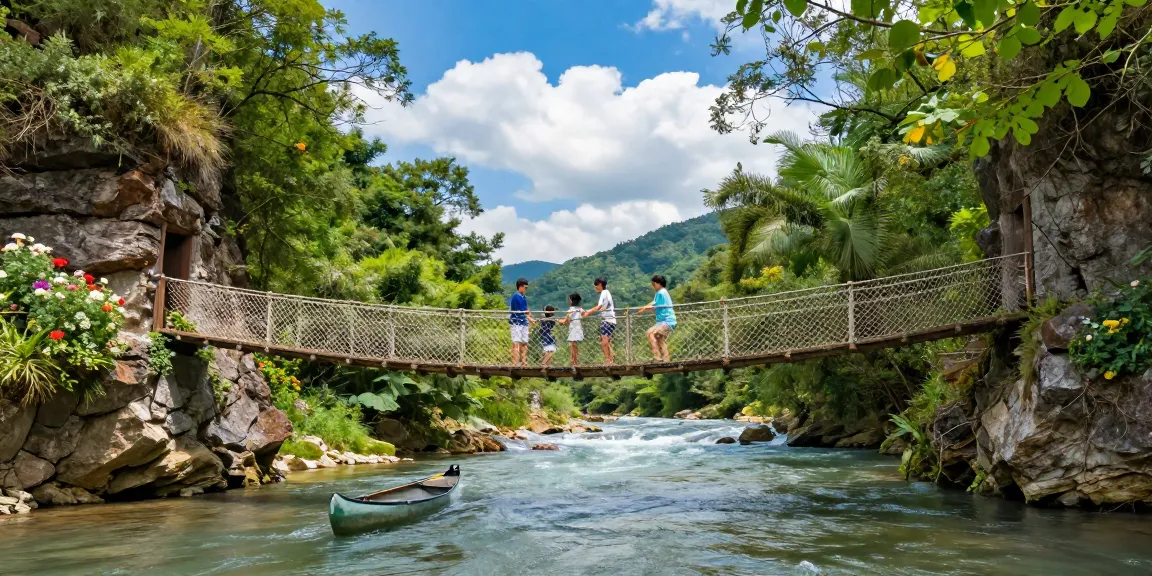
Understanding River Rope Bridges
River rope bridges are not just functional structures for crossing water; they also embody a rich history and serve as a testament to human ingenuity in landscape navigation. These bridges, often crafted from robust materials like steel cables and timber, provide an adventurous way to traverse rivers while enjoying the surrounding natural beauty. When exploring options, River Rope Bridge designs offer comprehensive insights into their construction and application in various environments.
What is a River Rope Bridge?
A river rope bridge is typically a suspended structure that allows pedestrians and sometimes light vehicles to cross over rivers and other bodies of water. Constructed primarily of rope or cables, these bridges can vary widely in design—from simple footbridges to complex suspension systems that accommodate a greater load. The bridge's flexibility and lightweight design make it an ideal solution for remote locations where traditional bridge construction would be impractical or too costly.
History and Evolution of Rope Bridges
The history of rope bridges dates back centuries, with ancient civilizations showcasing remarkable engineering skills. Early designs utilised natural materials such as vines and wooden planks, particularly in mountainous regions where river passages were necessary for trade and travel. With advancements in materials and engineering, modern rope bridges incorporate innovations like durable synthetic fibres and tensioning systems, allowing for greater spans and improved safety. Today, they are popular in both recreational and utilitarian applications, from hiking trails to adventure parks.
Key Components of a Rope Bridge
- Support Cables: The main structural element that bears the weight of the bridge.
- Decking: The pathway over which pedestrians and equipment travel.
- Anchoring Systems: Essential for securing the bridge at both ends, preventing movement and ensuring stability.
- Safety Rails: Important for guiding users and preventing falls.
Designing Your River Rope Bridge
Choosing the Right Location for Your Bridge
When planning to construct a river rope bridge, selecting the appropriate location is crucial. Key factors to consider include the width of the river, the nature of the riverbed, surrounding tree placements, and the expected foot traffic. Additionally, it's vital to assess environmental factors such as seasonal flooding and the stability of the ground at each anchoring point. A well-chosen site can enhance the functionality and safety of the bridge.
Essential Materials for Construction
Constructing a safe and durable river rope bridge requires quality materials suited to the specific environmental conditions. Common materials include high-tensile steel cables for support, weather-resistant timber or composite materials for decking, and durable synthetic ropes for safety railings. Investing in high-quality materials will ensure longevity and safety, reflecting well on the overall design and function of the bridge.
Innovative Design Ideas for Families
Families interested in building a river rope bridge can incorporate creative design elements to enhance the experience. Consider integrating a treehouse or lookout point that connects to the bridge, creating a multifunctional space for children and adults. Additionally, adding features such as swings or zip lines can transform the bridge into a playful adventure zone, encouraging family bonding through outdoor activity.
Building a River Rope Bridge: A Step-by-Step Guide
Preparation and Planning Stage
The first step in building a river rope bridge involves thorough planning and preparation. Begin by sketching the designed layout and determining the required materials. Obtain necessary permits and consult local authorities to ensure compliance with safety regulations. Next, assemble a team of skilled individuals—whether friends, family, or professionals—who will assist in the construction process.
Construction Techniques and Safety Measures
During the construction phase, adhere to safety protocols at all times. Start by securely anchoring the support cables on both riverbanks, ensuring they are level and taut. Once the cables are in place, construct the decking, ensuring stability and strength. Regularly test the components for safety before allowing any use of the bridge; this might involve weight testing under controlled conditions.
Maintenance Tips for Longevity
To ensure the longevity of the river rope bridge, regular maintenance is essential. Inspect the cables, decking, and anchoring systems frequently for signs of wear and tear. Clean any debris from the bridge and surrounding area, and consider applying weather-resistant treatments to wooden components. A good maintenance schedule can prevent minor issues from escalating into significant hazards.
Benefits of Using a River Rope Bridge
Enhancing Outdoor Adventures with Family
River rope bridges serve as thrilling access points to explore nature and embark on adventures as a family. They can lead to hiking trails, picnic areas, or secluded spots along the riverbank, encouraging families to spend quality time outdoors. The excitement of crossing a bridge also fosters teamwork and communication skills among family members, making it an enjoyable experience for all ages.
Environmental Impact and Sustainability
Utilising natural materials and eco-friendly practices during the construction of a river rope bridge can significantly reduce its environmental footprint. Choosing locally sourced materials and designing the bridge to blend with its surroundings can minimise disruption to local ecosystems. Establishing a bridge made with sustainability in mind can also serve as an educational tool for children, teaching them about conservation and respect for nature.
Creating Memories and Experiences
Building and using a river rope bridge is an opportunity to forge lasting memories. Whether used for family gatherings, outdoor events, or simply as a scenic route to a favourite spot, these bridges create unique experiences. Documenting these adventures through photos or stories can further enrich family bonds and inspire future explorations.
Future Trends in River Rope Bridge Construction
Innovations in Materials and Design
The future of river rope bridge construction is likely to be influenced by advances in technology and materials. Innovations may include the use of lighter, stronger composite materials as well as smart technologies that monitor structural integrity in real-time. Embracing modern design trends that promote aesthetic appeal alongside functionality will be crucial in attracting adventurous families to these structures.
Adapting to Climate Change Challenges
As climate change continues to impact landscapes worldwide, designing adaptable and resilient river rope bridges will become increasingly important. Engineers and designers must consider factors such as alterations in river flow, potential flooding, and the effects of erosion on bridge stability. Developing bridges that can withstand these challenges will ensure their continued use and safety for future generations.
Emerging Recreational Use Cases in 2026
By 2026, we anticipate seeing a rise in recreational uses for river rope bridges, including guided adventure tours and educational programmes designed around environmental stewardship. These bridges may facilitate access to previously underappreciated natural spaces, allowing families to engage in activities such as birdwatching, photography, and river ecology education. As more communities seek to enhance outdoor experiences, the role of river rope bridges will undoubtedly expand.
What safety considerations should be taken when using a river rope bridge?
Safety is paramount when using a river rope bridge. Always check weight limits and ensure that users adhere to these guidelines. Reinforce the importance of supervised crossings, especially for children. Regular inspections and maintenance can also alleviate safety concerns and prevent accidents.
How can I ensure my river rope bridge is environmentally sustainable?
To ensure environmental sustainability, use eco-friendly materials and practices during construction. Choose locations that minimise ecological disruption, and engage in ongoing maintenance to mitigate any potential environmental impacts. Educating users about responsible recreation can also support sustainability goals.
What are the costs associated with building a river rope bridge?
The costs of building a river rope bridge can vary widely based on design, materials, and labour. Budget considerations should include not only the initial construction costs but also ongoing maintenance and potential upgrades. It is essential to plan for these expenses to ensure the bridge remains safe and functional over time.
Where can I find resources for river rope bridge kits?
Many home improvement and outdoor recreational retailers offer river rope bridge kits, which include the necessary materials and instructions for construction. Additionally, online platforms specialising in outdoor supplies might provide comprehensive resources and expert advice for users considering a DIY approach.
What are some popular locations for river rope bridges in the UK?
The UK is home to numerous picturesque rope bridges, including the famous Carrick-a-Rede Rope Bridge in Northern Ireland and various installations located in national parks and adventure tourism locales. These bridges not only offer stunning views but also serve as central attractions for outdoor enthusiasts.