Understanding the Fundamentals of Education
The Definition and Importance of Education
Education is a multifaceted concept that transcends mere teaching and learning within formal institutions. It is a lifelong journey that encompasses the acquisition of knowledge, skills, values, and habits that ultimately shape an individual's character and perception of the world. Education plays a critical role in fostering an informed, skilled populace capable of contributing meaningfully to society. Without education, individuals may struggle to navigate the complexities of modern life, from economics to social interaction.
Types of Education: Formal, Non-formal, and Informal
Understanding the diverse forms of education is essential for grasping its full impact on society. Education can be categorized into three primary types: formal, non-formal, and informal.
- Formal Education: This is structured and systematic, typically taking place in schools and educational institutions. It follows a set curriculum and is characterized by recognized credentials such as diplomas and degrees.
- Non-formal Education: This includes organized educational activities that occur outside the formal system, such as community education programs, evening classes, and workshops. While it does not lead to formal qualifications, it is vital for skill enhancement and personal development.
- Informal Education: This encompasses learning that occurs through everyday experiences, such as self-directed learning, social interactions, and media consumption. Informal education often leads to substantial knowledge and skill acquisition without a structured environment.
Key Historical Milestones in Education Development
The evolution of education has been punctuated by numerous milestones that reflect societal values and advancements. Key developments include:
- The establishment of the first universities in the Middle Ages, which heralded a new era of higher learning and intellectual exchange.
- The introduction of compulsory education in the 19th century, ensuring that all children had access to basic learning opportunities regardless of socio-economic status.
- The advent of technology in the 20th century, revolutionizing teaching methods through the introduction of audiovisual aids, computers, and the internet.
Challenges in the Modern Education Landscape
Addressing Inequality in Access to Education
Inequity in education continues to be a pressing issue worldwide. Disparities arise from various factors, including socio-economic status, geographic location, and systemic biases. Children from disadvantaged backgrounds often lack access to quality schooling, which can significantly impact their future opportunities. To tackle this challenge, initiatives must focus on:
- Enhancing funding for underprivileged schools and communities.
- Implementing policies that promote equitable access to educational resources.
- Encouraging community involvement and parental engagement in education.
Technology Integration and Its Impact on Learning
Technology has emerged as a double-edged sword in the field of education. While it offers unprecedented opportunities for enhanced learning experiences through online platforms and interactive tools, it also risks widening the gap between those with and without access. Key considerations for effective technology integration include:
- Training educators to effectively use technology in their teaching methods.
- Ensuring that all students have access to necessary devices and internet connectivity.
- Balancing screen time with traditional teaching methods to promote holistic learning.
Teacher Training and Professional Development Issues
Teachers are the cornerstone of an effective education system, yet many face challenges due to inadequate training and ongoing professional development. Addressing these issues requires:
- Investing in regular professional development programs to ignite teachers' passion and enhance their pedagogical skills.
- Creating mentorship opportunities for novice teachers to develop their confidence and expertise.
- Encouraging collaborative teaching practices and providing time for peer observations, fostering a culture of continuous improvement.
Innovative Approaches to Enhance Education
Project-based Learning and Its Benefits
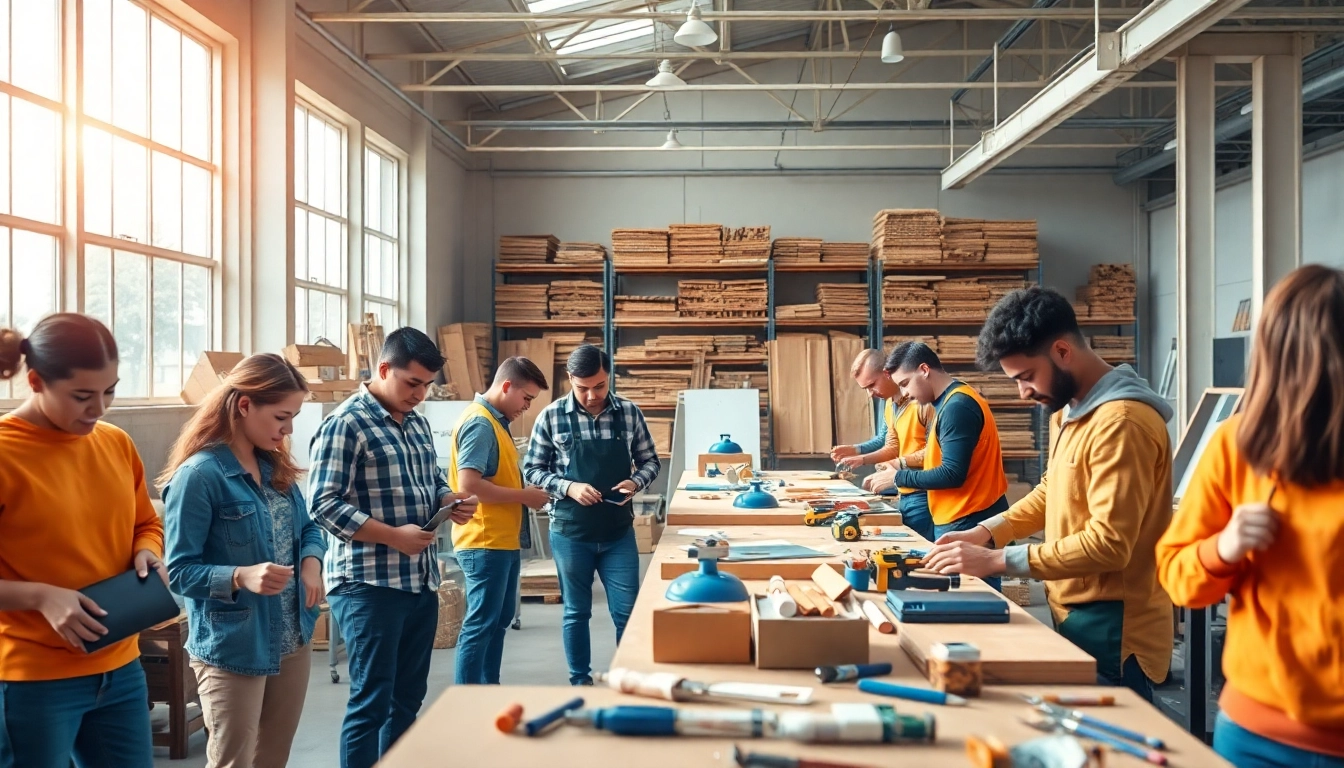
Project-based learning (PBL) is an innovative educational approach that encourages students to engage in real-world problems and challenges. This method promotes critical thinking, collaboration, and creativity among students. Benefits of PBL include:
- Increased student engagement and motivation through hands-on learning experiences.
- Development of critical 21st-century skills such as teamwork and communication.
- Connections to real-life situations, making learning more relevant and impactful.
Personalized Learning: Tailoring Education to Individual Needs
Personalized learning recognizes that each student has unique strengths, weaknesses, interests, and learning styles. By focusing on tailored educational experiences, educators can maximize student potential. Strategies for effective personalized learning include:
- Utilizing assessments to understand each student's abilities and tailor instructional methods accordingly.
- Incorporating student choice in learning activities to foster ownership of the learning process.
- Leveraging technology to provide adaptive learning tools that adjust to individual rates of progress.
Utilizing Technology for Remote and Hybrid Learning Solutions
The shift toward remote and hybrid learning has highlighted the importance of flexible educational solutions. Implementing effective remote learning strategies involves:
- Creating structured routines and schedules to maintain student engagement.
- Utilizing varied digital tools to cater to different learning styles, including videos, discussions, and interactive activities.
- Emphasizing clear communication between educators, students, and parents to facilitate a supportive learning environment.
Measuring Educational Success and Outcomes
Performance Metrics for Students and Educators
Measuring success within the education system is essential for evaluating the effectiveness of teaching strategies and learning outcomes. Key performance metrics include:
- Standardized test scores that provide a quantitative measure of student knowledge and skills.
- Formative assessments that allow for ongoing feedback and adjustment in teaching practices.
- Longitudinal studies tracking student progress over time to identify trends and areas of improvement.
Feedback Mechanisms and Continuous Improvement
Feedback is pivotal for fostering an environment of continuous improvement. Instituting effective feedback mechanisms involves:
- Encouraging a culture of open communication where students feel comfortable expressing their needs and challenges.
- Implementing regular evaluations of teaching practices, with a focus on constructive feedback and professional growth.
- Involving stakeholders in the evaluation process, including parents, students, and community members, to gain diverse perspectives.
Global Comparisons: Learning from International Education Systems
Examining successful education systems across the globe can provide valuable insights into best practices. Countries like Finland and Singapore are often cited for their innovative approaches to learning. Key takeaways from these global examples include:
- Prioritizing teacher training and elevating the profession's status to attract high-quality educators.
- Fostering collaboration among schools, communities, and families to create a supportive educational ecosystem.
- Implementing flexible curricula that allow for creativity and critical thinking, rather than rote memorization.
The Future of Education: Trends and Predictions
Sustainable Education Practices for a Changing World
As the world evolves, education must adapt to meet new challenges, particularly in response to climate change and globalization. Sustainable education practices focus on:
- Integrating environmental education into curricula to foster awareness and activism among students.
- Promoting eco-friendly practices within educational institutions, such as reducing waste and enhancing energy efficiency.
- Encouraging project-based initiatives focused on real-world environmental issues to cultivate problem-solving skills.
The Role of Lifelong Learning in Future Education
The concept of lifelong learning is becoming increasingly important in preparing individuals for the future workforce. Lifelong learning emphasizes:
- Continuous professional development opportunities for all ages, ensuring that skills remain relevant in a dynamic job market.
- Creating accessible pathways for adult learners to return to education and pursue new skills or interests.
- Encouraging a growth mindset, where individuals seek out learning opportunities continuously throughout their lives.
Incorporating Social-Emotional Learning in Curricula
Social-emotional learning (SEL) and the cultivation of emotional intelligence are essential components of a well-rounded education. Incorporating SEL into curricula can enhance students' abilities to connect, empathize, and collaborate. Important aspects to consider include:
- Embedding SEL principles into everyday classroom discussions and activities.
- Training educators in SEL techniques to promote mental health and well-being among students.
- Involving families and communities in supporting social-emotional development, creating a holistic approach to education.