
Understanding Brain Tumor Surgery: An Overview
Brain tumor surgery is a critical intervention aimed at treating various types of brain tumors, both benign and malignant. As medical technology progresses, the approach to treatment becomes more refined and effective. With advanced techniques in microdissection and neuronavigation, the surgery can be performed more safely, enhancing the success rates considerably. In this guide, we will explore the intricacies of beyin tümörü ameliyatı, focusing on its definition, types, the significance of surgical intervention, and what you need to know before going under the knife.
What is Brain Tumor Surgery?
Brain tumor surgery typically involves the removal of tumor tissue from the brain. This procedure may vary in complexity based on the size, type, and location of the tumor. The process aims to alleviate symptoms caused by the tumor, improve neurological function, and enhance overall quality of life for the patient. While some tumors are benign and can be entirely excised, others may require a combination of surgical resection and additional treatments, such as radiation or chemotherapy.
The Importance of Surgical Intervention
Timely surgical intervention is crucial for patients diagnosed with brain tumors. Delaying surgery can lead to increased intracranial pressure, deterioration of neurological functions, and ultimately a poorer prognosis. With rapid advances in surgical techniques, patients can expect improved recovery times and reduced risk of complications. Moreover, early diagnosis and intervention can help in preserving cognitive and physical functions, which are often compromised by the presence of a tumor.
Types of Brain Tumors and Surgical Approaches
Brain tumors can be classified as primary or secondary. Primary brain tumors originate in the brain itself, while secondary ones, often referred to as brain metastases, originate from cancer elsewhere in the body. Common types of brain tumors include:
- Meningiomas: Typically benign tumors arising from the meninges, the protective membranes covering the brain.
- Gliomas: A category that includes astrocytomas and oligodendrogliomas, which can be benign or malignant.
- Metastatic brain tumors: These are tumors that have spread to the brain from other parts of the body, such as the lungs or breast.
The surgical approach depends on various factors including tumor type, location, and the patient’s overall health. Techniques may range from traditional craniotomy to less invasive procedures such as endoscopic surgery.
The Process of Brain Tumor Surgery
The journey through brain tumor surgery typically includes several key stages: preoperative planning, the surgical procedure itself, and postoperative care. Understanding each phase can help patients prepare and feel more confident about the process.
Preoperative Planning and Diagnostics
Prior to surgery, comprehensive diagnostic testing is performed. This may include MRI and CT scans which help to map the tumor's location and identify potential risks associated with its removal. Preoperative planning also involves evaluating the patient’s neurological function and general health to create a tailored surgical approach. Healthcare professionals work in a multidisciplinary team to ensure all aspects of the patient’s health are considered.
The Surgical Procedure Explained
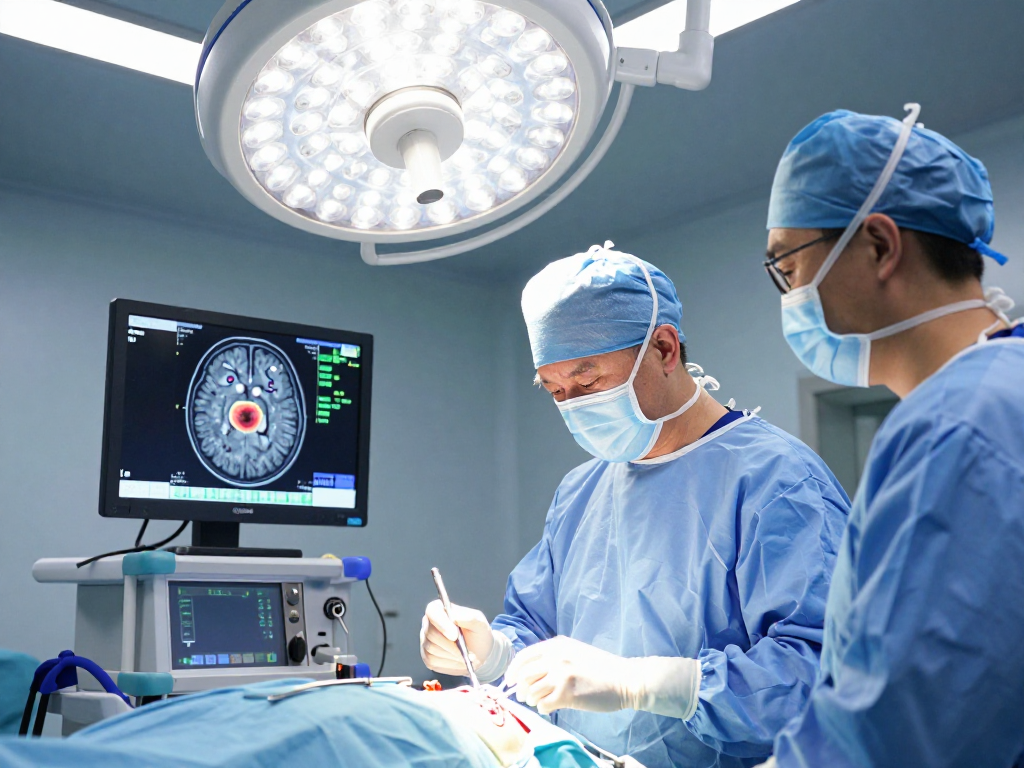
The surgical procedure generally begins with anesthesia administration, followed by a carefully executed craniotomy where a section of the skull is temporarily removed. The surgeon will then use advanced imaging techniques such as neuronavigation to accurately locate the tumor. The goal is to remove as much of the tumor as possible while preserving healthy brain tissue. Surgeons may use techniques like awake brain surgery in cases where the tumor is located near critical areas of the brain that control function, allowing them to monitor the patient’s responses during the operation.
Postoperative Care and Recovery
Postoperative care is vital for successful recovery. Patients typically stay in the hospital for monitoring for a few days. Follow-up imaging, usually an MRI, is essential to check the success of the surgery and to identify any potential complications early. Rehabilitation might involve physiotherapists, occupational therapists, and speech therapists to aid in the recovery of cognitive and physical functions.
Risks and Benefits of Brain Tumor Surgery
Like any major medical procedure, brain tumor surgery carries certain risks. These can involve serious complications, but understanding these risks is crucial for informed decision-making.
Common Risks Associated with Surgery
Complications can range from infection and blood clots to neurological deficits affecting speech, motor functions, and cognitive abilities. Although rare, some patients may experience seizures or changes in personality due to alterations in brain chemistry. However, such risks are significantly outweighed by the potential benefits.
Benefits of Timely Surgical Intervention
Successful surgery can lead to the complete removal of the tumor, alleviating symptoms such as headaches, seizures, and neurological deficits. Moreover, effective resection can prevent further complications and prolong survival, especially in cases of malignant tumors.
Patient Case Studies and Outcomes
Understanding real-life outcomes can provide hope and clarity. Many patients after undergoing surgery report significant improvements in quality of life. Long-term follow-ups show that with continued monitoring and care, many individuals can thrive post-surgery, living fulfilling lives despite their initial diagnosis.
Innovative Techniques in Neurosurgery
The field of neurosurgery is rapidly evolving, with new techniques enhancing the safety and effectiveness of brain tumor surgeries.
Awake Brain Surgery: Why Is It Used?
Awake brain surgery enables surgeons to interact with patients during operation, ensuring that essential functions such as speech and movement can be preserved. Patients are sedated but not fully unconscious, allowing real-time feedback and reducing the risk of postoperative impairments.
Use of Technology in Brain Tumor Operations
Technological advancements such as intraoperative imaging and robotic assistance have revolutionized the surgical landscape. These innovations allow for greater precision and smaller incisions, leading to reduced recovery times.
Future Trends and Developments in Neurosurgery
Looking ahead, researchers are exploring genetic profiling of tumors to tailor treatments more effectively, along with advancements in minimally invasive techniques that may one day eliminate the need for traditional surgery altogether.
Cost Considerations for Brain Tumor Surgery
When evaluating treatment options, understanding the financial implications of brain tumor surgery is essential. Costs can vary significantly based on the complexity of the case and the healthcare facility's location.
Understanding Surgery Costs in 2026
As healthcare costs continue to rise, patients should anticipate higher expenses related to surgery, including hospital stay, anesthesia, and follow-up care. It is advisable to seek multiple quotes and consider healthcare financing options when budgeting for surgery.
Insurance Coverage and Financial Assistance
Insurance plans typically cover a substantial portion of brain tumor surgery costs, though coverage can vary. It is crucial to consult your insurance provider regarding specific benefits and potential out-of-pocket expenses.
Evaluating the Value of Surgery vs. Alternative Treatments
Patients should weigh the benefits of surgical intervention against alternative treatments such as radiation or chemotherapy. In many cases, surgery may provide the most immediate relief from symptoms and is often part of a comprehensive treatment plan.
What are the main types of brain tumors treated with surgery?
Common types of brain tumors treated with surgery include meningiomas, gliomas, and metastatic tumors. Each type requires a tailored surgical approach based on the tumor's characteristics and patient's health.
How long does recovery take after brain tumor surgery?
Recovery duration can vary widely depending on the tumor type, size, and location, as well as the surgical method used. Generally, patients can expect a recovery period ranging from several weeks to several months.
What are the long-term effects of brain tumor surgery?
Long-term effects can include neurological deficits, changes in cognitive function, and the possibility of tumor recurrence. Regular follow-up appointments and imaging studies are essential for monitoring.
Are there non-invasive treatment options available?
Non-invasive treatments such as radiation therapy can be effective alternatives for certain patients, particularly those with inoperable tumors or those who prefer to avoid surgical risks.
What should I expect during the pre-surgery consultation?
During the pre-surgery consultation, patients will undergo thorough assessments, including imaging tests and discussions about surgical options, risks, and expectations for recovery. For more information, beyin tümörü ameliyatı offers valuable insights. This is a critical time to ask questions and understand the treatment plan.