
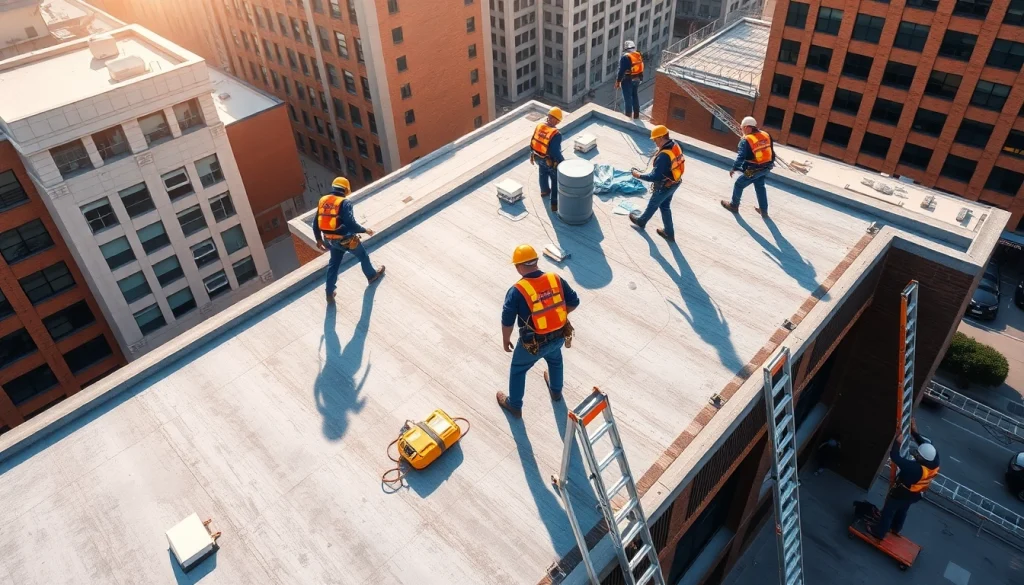
Understanding the Importance of Commercial Roofing Services
In the realm of business infrastructure, the roof serves as a crucial component that safeguards not only the physical structure but also the company’s assets, employees, and reputation. High-quality commercial roofing services are essential for any business, providing the durability and reliability needed to withstand the challenges posed by varying weather conditions and environmental factors. In this article, we delve into the significance of commercial roofing, the differing types of systems available, and how weather can influence your roofing decisions.
Why Quality Roofing Matters for Your Business
Quality roofing is not just an aesthetic concern for businesses; it directly impacts operational efficiency and safety. A well-constructed roof can serve as a barrier against water, wind, and debris, effectively preventing costly water damage and structural integrity issues. Businesses that invest in high-quality roofing systems can enjoy lower maintenance costs over time, leading to higher returns on investment. Moreover, a strong roof contributes to energy efficiency through reliable insulation, ultimately reducing energy bills and showcasing a commitment to sustainability.
Different Types of Commercial Roofing Systems
Understanding the various roofing types is essential for making an informed decision that aligns with your business needs. Here are some of the most common commercial roofing systems:
- Flat Roofing: Ideal for large commercial buildings, flat roofing systems such as TPO (Thermoplastic Olefin), EPDM (Ethylene Propylene Diene Monomer), and PVC (Polyvinyl Chloride) are known for their durability and low maintenance.
- Metal Roofing: Popular for its longevity, metal roofing can consist of aluminum, steel, or copper. Its reflective properties help with energy efficiency and it’s a great choice for regions with heavy rain or snow.
- Built-Up Roofing (BUR): This traditional roofing method uses multiple layers of bitumen and insulation. BUR systems are preferred for flat roofs and provide excellent durability and moisture resistance.
- Modified Bitumen: A step up from traditional BUR, modified bitumen roofs are easy to install and offer heat-resistant properties, making them ideal for various climates.
- Green Roofing: For environmentally-conscious businesses, green roofs are an innovative solution that incorporates vegetation and enhances insulation, promotes biodiversity, and manages stormwater effectively.
How Weather Impacts Roofing Choices
The geographical location of a business significantly dictates the roofing decisions made. Areas prone to heavy rain or snow need roofs designed to withstand potential water damage and titling under snow load. Businesses in hotter climates may prioritize reflective materials to reduce cooling costs, while those in hurricane-prone areas may require reinforced systems that can withstand high winds. Understanding how weather influences roofing decisions is paramount for making the best investment for your commercial property.
Key Features of High-Quality Commercial Roofing Services
Not all roofing services are created equal. Investing in high-quality solutions is crucial for ensuring that your business’s roofing system can endure the test of time. Below are essential features that should be evaluated when selecting a commercial roofing service provider:
Durability and Longevity in Roofing Materials
Durability is a top priority when it comes to commercial roofing. The choice of materials significantly affects the lifespan and performance of the roof. Materials such as metal and composite shingles are known for their longevity and weather resistance. Additionally, high-grade membranes used in single-ply roofing systems provide excellent durability against tears and punctures while also offering resistance to UV rays.
The Role of Proper Installation Techniques
Proper installation techniques are essential for ensuring a roofing system’s performance and longevity. Even the best materials can fail if not installed correctly. Quality contractors utilize best industry practices such as ensuring a level surface, proper drainage solutions, and appropriate fastening methods to secure roofing materials. The importance of hiring well-trained and certified roofing professionals cannot be overstated, as their expertise directly affects the roof’s effectiveness.
Maintenance Services to Extend Roof Lifespan
Regular maintenance is crucial for extending the lifespan of a commercial roof. Scheduled inspections and timely repairs can prevent minor issues from escalating into major problems, which can result in costly repairs or entire roof replacements. Maintenance services typically include cleaning debris, checking for leaks, inspecting flashing, and ensuring that all drainage systems are functioning correctly. A proactive maintenance plan is often more cost-effective than waiting for problems to arise.
Choosing the Right Contractor for Your Commercial Roofing Needs
Finding the right roofing contractor can be a daunting task. However, making the right choice is imperative for securing your investment in your commercial property. Here are key factors to consider:
Factors to Consider When Selecting a Roofing Company
When searching for a roofing company, consider the following factors:
- Experience: Ensure the contractor has extensive experience in commercial roofing and a proven track record of successful projects.
- Licensing and Insurance: Verify that the roofing company is licensed and carries insurance to protect against accidents or damages that may occur during the project.
- Warranty Offers: Look for companies that offer comprehensive warranties on both materials and labor, which provides additional peace of mind.
Importance of Certifications and Expertise
Certifications from roofing manufacturers can indicate that the contractor has undergone training and demonstrates an understanding of the materials and installation processes. These certifications often come with warranties for the roofing products used, which further enhances the protection of your investment.
How to Evaluate Customer Reviews and Testimonials
Customer reviews and testimonials provide insight into the experiences of previous clients. Look for trends in feedback regarding professionalism, timeliness, and quality of work. Personal referrals can also serve as a valuable tool in assessing a contractor’s credibility.
Cost Considerations for Commercial Roofing Services
Understanding the costs associated with commercial roofing services is essential for budgeting and making informed decisions. This section breaks down various financial aspects to consider:
Understanding the Pricing Structure
The pricing structure for commercial roofing can vary due to several factors, including materials used, the complexity of the project, labor costs, and geographic location. On average, businesses can expect to pay anywhere from $3 to $10 per square foot for commercial roofing projects. It is crucial to obtain multiple estimates to ensure competitive pricing.
Budgeting for Roof Maintenance and Repair
Creating a budget for routine maintenance and unexpected repairs is vital to avoid significant future costs. Establishing a reserve fund can help cover the costs of repairs or emergencies when they arise. Regular assessments of the roof’s condition can also prevent larger repair needs in the future.
Financing Options for Large Roofing Projects
For larger commercial roofing projects, financing options may be available through various lending institutions or financing programs offered by roofing companies. Understanding the terms and costs associated with financing can aid on managing cash flow while ensuring your roofing issues are addressed promptly.
Emerging Trends in Commercial Roofing Services
The commercial roofing industry is constantly evolving, leading to the introduction of innovative solutions and systems. Here are some of the emerging trends to keep an eye on:
Green Roofing Solutions for Sustainable Businesses
As environmental concerns continue to rise, many businesses are opting for green roofing solutions that incorporate vegetative systems. These roofs not only provide insulation and manage stormwater but also contribute to urban biodiversity and air quality improvement. Green roofs can enhance the aesthetic appeal of the building and potentially qualify for various incentives and credits.
Innovative Materials and Technologies in Roofing
New materials, such as reflective coatings and advanced composite materials, offer businesses improved durability and energy efficiency. Technologies like infrared thermography and drone inspections further increase the capacity for quick and accurate assessments of roof conditions, effectively identifying potential issues before they manifest.
Future-Proofing Your Commercial Roof Against Climate Change
With climate change presenting new challenges for commercial properties, future-proofing roofs becomes a necessity. This may involve selecting materials that can withstand extreme weather events or investing in roof designs that incorporate features like drainage systems capable of handling heavy rainfall. Staying ahead of trends ensures that your roof remains resilient against evolving climate conditions.