
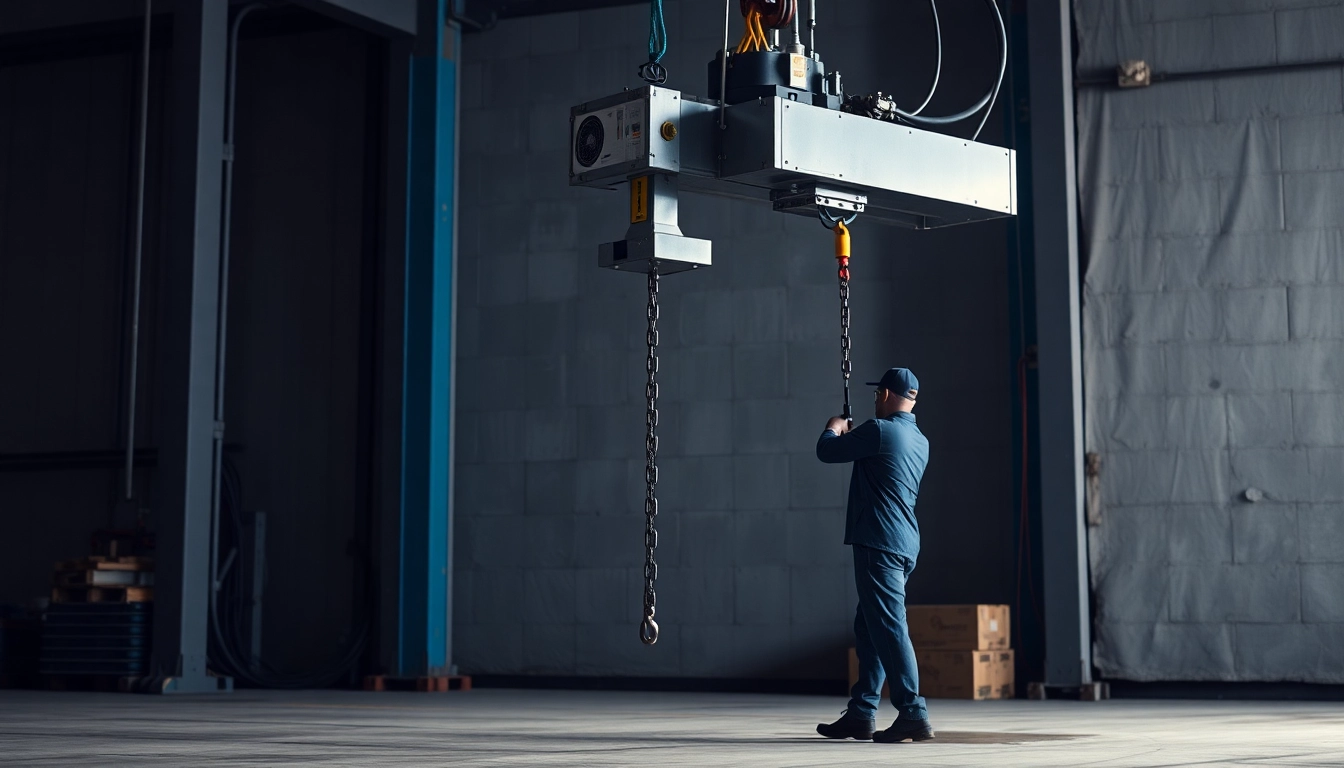
Understanding Electric Chain Hoists: Basics and Beyond
Electric chain hoists are crucial tools in various industrial sectors, offering efficient and reliable lifting solutions for heavy loads. Designed with advanced mechanisms, these hoists provide a seamless integration of strength and precision, making them indispensable in construction, manufacturing, and logistics. When exploring options, electric chain hoist crane solutions can offer insights into the latest advancements and models available on the market.
What is an Electric Chain Hoist Crane?
An electric chain hoist crane is an electrically powered lifting device that utilizes a chain mechanism to lift and lower heavy loads with precision. These devices are essential where manual lifting is impractical due to weight, safety, or efficiency requirements. Unlike traditional manual hoists, electric chain hoists leverage electrical motors, which offer enhanced lifting capabilities, speed, and reduced physical strain on operators.
Key Components and Mechanisms of Electric Chain Hoists
Understanding the components of an electric chain hoist is vital for optimal use. Key elements include:
- Motor: The powerhouse that drives the lifting mechanism. Motors can be single-phase or three-phase, depending on the application requirements.
- Chain: A strong, durable chain designed to withstand high tensile loads, ensuring secure lifting.
- Hook: The component that securely attaches the load. Hooks are often equipped with safety latches to prevent accidental release.
- Control System: Includes pendant controls or remote controls for ease of operation and safety, allowing operators to maneuver the hoist from a safe distance.
- Frame and Mounting: They provide structural support, ensuring stability while lifting heavy loads.
The Advantages of Using Electric Chain Hoists in Industry
Electric chain hoists come with a plethora of advantages that make them suitable for industrial applications:
- Efficiency: Electric motors provide consistent lifting capabilities, allowing for faster operations compared to manual hoists.
- Reduced Labor Costs: By minimizing the need for human effort, businesses can reduce labor costs and increase productivity.
- Precision Control: Operators can manage lifting heights and speeds accurately, which is crucial for delicate loads.
- Durability: Built to withstand harsh environments, electric chain hoists are often made from high-quality materials, ensuring a long lifespan with minimal maintenance.
- Safety Features: Many models include integrated safety mechanisms like overload protection and emergency stop features, enhancing user safety.
Choosing the Right Electric Chain Hoist Crane for Your Needs
Selecting the appropriate electric chain hoist requires careful consideration of several factors to ensure optimal performance and safety.
Evaluating Load Capacity and Specifications
Understanding your lifting needs begins with evaluating the load capacity. Electric chain hoists come in various capacities, typically ranging from 1/8 ton to over 20 tons. Identifying the maximum weight you plan to lift is crucial; select a hoist that exceeds this weight to ensure safe operation.
Understanding Different Types of Electric Chain Hoists
Electric chain hoists can be categorized based on their operational design:
- Single Phase: Ideal for smaller operations and lighter loads, operating on standard voltage.
- Three Phase: Best suited for heavy industrial applications, providing more power and efficiency.
- Low Headroom Hoists: Designed for environments with limited vertical space, these hoists help maximize lifting height.
- High-Speed Hoists: These units are tailored for operations requiring rapid lifting and lowering of loads.
Factors to Consider When Selecting an Electric Chain Hoist Crane
Several additional factors come into play when selecting a hoist:
- Power Source: Determine whether your facility has the necessary electrical supply for your chosen hoist type.
- Environment: Consider whether the hoist will operate indoors or outdoors and if it will be exposed to any harsh conditions.
- Frequency of Use: Assess how often you will use the hoist, as this might influence your choice of design and durability.
Safety Practices with Electric Chain Hoist Cranes
Safety is paramount when operating any lifting equipment. Electric chain hoists must be handled with care to prevent workplace injuries.
Common Safety Standards and Regulations
Electric chain hoists must adhere to industry standards set by organizations like OSHA (Occupational Safety and Health Administration) and ANSI (American National Standards Institute). Operators should be familiar with these regulations to ensure compliance and safety.
Regular Maintenance Checks for Optimal Safety
Routine maintenance checks are vital to keep electric chain hoists functioning optimally:
- Inspect Chains: Regularly check for wear, elongation, or damage.
- Test Safety Features: Ensure all safety features, such as limit switches and emergency stops, are operational.
- Lubrication: Keep moving parts adequately lubricated to prevent wear and tear.
- Electrical Checks: Inspect the wiring and control systems for any signs of wear or damage to prevent electrical failures.
Training and Certification for Operators
Ensuring that operators are trained and certified is crucial for safe hoist operation. Comprehensive training should cover:
- Proper Operation: Training on the functions of the hoist, including control systems.
- Load Handling: Techniques for safely attaching and detaching loads.
- Emergency Procedures: Guidelines on what to do in the case of a malfunction or emergency.
Installation and Setup of Electric Chain Hoists
Proper installation is key to the efficiency and safety of electric chain hoists. Adhering to best practices during setup can prevent future problems.
Best Practices for Installing Electric Chain Hoist Cranes
When installing an electric chain hoist, consider the following best practices:
- Site Assessment: Evaluate the installation site for structural integrity.
- Follow Manufacturer Guidelines: Always adhere to the installation instructions provided by the manufacturer.
- Secure Mounting: Ensure that the hoist is mounted securely to prevent any accidents during operation.
Adjusting for Environment and Space Constraints
Take into account the environment where the hoist will operate. If space is limited, selecting a low headroom or compact design may be crucial.
Testing and Commissioning Procedures
After installation, conduct thorough testing:
- Load Testing: Ensure the hoist can handle the maximum load safely.
- Functionality Checks: Confirm that all controls function properly.
- Emergency Procedures: Test all safety features, including emergency stops and limit switches.
Future Trends in Electric Chain Hoists: What to Expect by 2025
The evolution of electric chain hoists is set to continue, incorporating technological advancements that will redefine their usage in various industries.
Technological Innovations and Smart Hoisting Solutions
As technology advances, electric chain hoists are integrating smart technologies such as IoT (Internet of Things) capabilities. These innovations allow for:
- Remote Monitoring: Real-time data on performance, maintenance needs, and usage statistics.
- Predictive Maintenance: Utilizing data analytics to forecast maintenance needs, reducing downtime.
- Enhanced User Interfaces: Intuitive controls and interfaces that improve operator engagement and safety.
Impact of Automation on Electric Chain Hoist Systems
With the push towards automation, expect electric chain hoists to become more integrated with robotic systems, enhancing their application in manufacturing and logistics. Automated hoist systems will streamline operations, improving efficiency and safety.
Sustainability and Energy Efficiency in Hoisting Technologies
Future electric chain hoists will likely focus more on energy efficiency and sustainability. Features such as regenerative braking systems and energy-efficient motors will minimize environmental impact, making them more cost-effective and eco-friendly in the long term.