
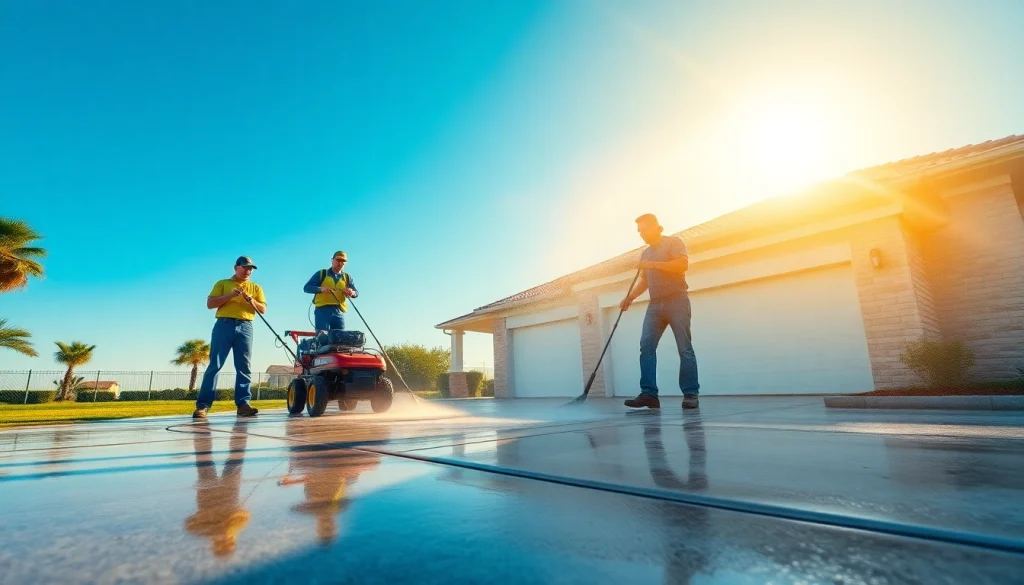
The Importance of Concrete Cleaning
Concrete surfaces, whether in commercial or residential settings, serve as a canvas that withstands the rigors of daily life. Over time, these surfaces accumulate dirt, grime, and stains, making regular maintenance crucial for aesthetics and safety. In Kissimmee, Florida, where humidity and rainfall are prevalent, neglecting concrete cleaning can lead to more significant issues such as mold growth and surface degradation. Therefore, engaging in proactive concrete cleaning not only enhances the appearance of your property but also extends the lifespan of your concrete structures.
Understanding the Need for Regular Maintenance
Concrete is a durable material; however, it is not impervious to the elements. Regular cleaning helps to remove harmful substances that can degrade the integrity of concrete over time. For instance, oils, grease, and other contaminants can create slippery surfaces and may lead to accidents. In addition, mold and mildew growth can pose health risks to inhabitants and diminish the overall beauty of the property. Thus, regular maintenance is essential for both aesthetic and safety reasons.
Common Concrete Stains and How to Address Them
Concrete surfaces can suffer from a variety of stains, including:
- Oil and Grease: Typically found in garages and driveways, these stains can be particularly tough to remove.
- Mold and Mildew: Common in humid areas, these growths can cause discoloration and present health hazards.
- Rust: This can occur due to metal furniture or vehicles left on the surface.
- Food and Beverage Spills: Common in outdoor entertaining areas, these can lead to unsightly stains if not addressed promptly.
Addressing these stains quickly with appropriate cleaning solutions is vital to prevent permanent damage. Homeowners can initiate the cleaning process by using specialized concrete cleaners or considering professional pressure washing services for more stubborn stains.
Benefits of Professional Concrete Cleaning Services
While DIY cleaning methods are available, there are several compelling reasons to hire professionals for concrete cleaning:
- Expertise: Professionals understand the nuances of different stains and the best methods to remove them effectively without damaging the surface.
- Advanced Equipment: Professional services often utilize high-grade equipment that can achieve deeper cleaning than standard home tools.
- Efficiency: Experienced technicians can operate quickly, allowing for quicker turnaround times and less disruption to your daily activities.
- Long-term Care: Experts can identify potential problems before they become significant issues, helping to maintain the property’s condition over time.
Top Techniques for Effective Concrete Cleaning
Pressure Washing vs. Chemical Cleaning: What You Need to Know
When it comes to cleaning concrete, two primary techniques stand out: pressure washing and chemical cleaning. Pressure washing involves using high-pressure water jets to remove dirt and stains, which is effective for many types of grime. However, it’s important to note that pressure washing can sometimes damage the concrete if not done correctly, particularly with older or more delicate surfaces.
On the other hand, chemical cleaning involves using specialized solutions to break down tough stains. This method can be more effective for certain types of stains, such as oil or rust, but requires careful handling and may necessitate additional rinsing to prevent chemical residues from remaining on the surface.
Step-by-Step Process for DIY Concrete Cleaning
If you prefer a hands-on approach, here’s a straightforward process to clean your concrete surfaces effectively:
- Preparation: Remove any furniture or obstacles from the area to create a clear working space.
- Pre-Treat Stains: Apply the appropriate cleaning solution directly on stains and allow it to sit for specified times.
- Pressure Wash: Use a pressure washer on the surface, maintaining a consistent distance to avoid damage.
- Rinse Thoroughly: After washing, rinse the surface well to ensure no cleaning agents are left behind.
- Sealing (Optional): Consider applying a concrete sealant after cleaning to protect against future stains and wear.
Innovative Tools and Technologies in Concrete Cleaning
The landscape of concrete cleaning is ever-evolving, with new tools and technologies improving efficiency and effectiveness. From high-capacity pressure washers to eco-friendly cleaning agents, advancements make it possible to achieve superior results with less effort. Smart technology is also impacting the industry, as remote-controlled cleaning devices are becoming more prevalent, allowing for precision cleaning in hard-to-reach areas.
Safety Considerations During Concrete Cleaning
Protecting Surrounding Areas and Home Features
When conducting any type of cleaning, particularly pressure washing, it’s crucial to protect surrounding areas and home features. Ensure that windows, siding, and plants are adequately shielded from water spray or chemical runoff. Using tarps or plastic sheeting can be beneficial in preventing unintended damage during the cleaning process.
Health and Environmental Impacts of Cleaning Agents
Many cleaning agents can have adverse effects on health and the environment. Before selecting a product, consider its ingredients and opt for eco-friendly options whenever possible. This choice not only protects your immediate environment but also contributes positively to the overall health of the community.
Guidelines for Safe High-Pressure Cleaning
Following best practices during high-pressure cleaning can minimize risks. Always wear protective gear, including gloves, goggles, and masks if needed, to protect yourself from debris and chemicals. Additionally, familiarize yourself with the equipment being used to ensure proper handling and safety protocols.
Cost Factors in Concrete Cleaning Services
Average Pricing Models and Service Packages
Concrete cleaning costs can vary significantly depending on various factors, including size, type of stains, and the method used. On average, expect to pay between $1 and $3 per square foot for cleaning services, with additional charges for sealing. Always request a detailed quote that outlines what services are included to avoid unexpected costs.
Budgeting for Large-Scale Concrete Cleaning Projects
For commercial properties or large residential areas, budgeting effectively is crucial. Consider creating a cleaning schedule and prioritizing areas that require immediate attention. Long-term maintenance contracts can also offer cost savings and consistent quality service.
Cost-Effectiveness of Regular Maintenance vs. One-Time Cleaning
Investing in regular maintenance can save significant costs in the long run. Frequent cleaning helps prevent the buildup of grime and reduces the likelihood of needing extensive repairs or deep cleaning. This proactive approach can protect your investment and enhance the lifespan of your concrete surfaces.
Future Trends in Concrete Cleaning (2025 and Beyond)
Eco-Friendly Cleaning Solutions Gaining Popularity
The future of concrete cleaning is trending towards sustainability. As consumers become more environmentally conscious, the demand for eco-friendly cleaning solutions is likely to increase. Companies that adopt green practices and utilize biodegradable products are expected to gain a competitive edge in the marketplace.
The Rise of Subscription-Based Cleaning Services
Subscription models are making waves in various service industries, including concrete cleaning. These models allow customers to sign up for regular cleaning services at discounted rates, ensuring that their concrete surfaces remain clean and well-maintained without the hassle of scheduling individual appointments.
Technological Innovations Enhancing Service Efficiency
As technology continues to advance, the concrete cleaning industry can expect the introduction of more efficient machines and methods. Innovations like automated cleaning robots and enhanced pressure washing systems designed to use less water without sacrificing effectiveness will likely become commonplace.