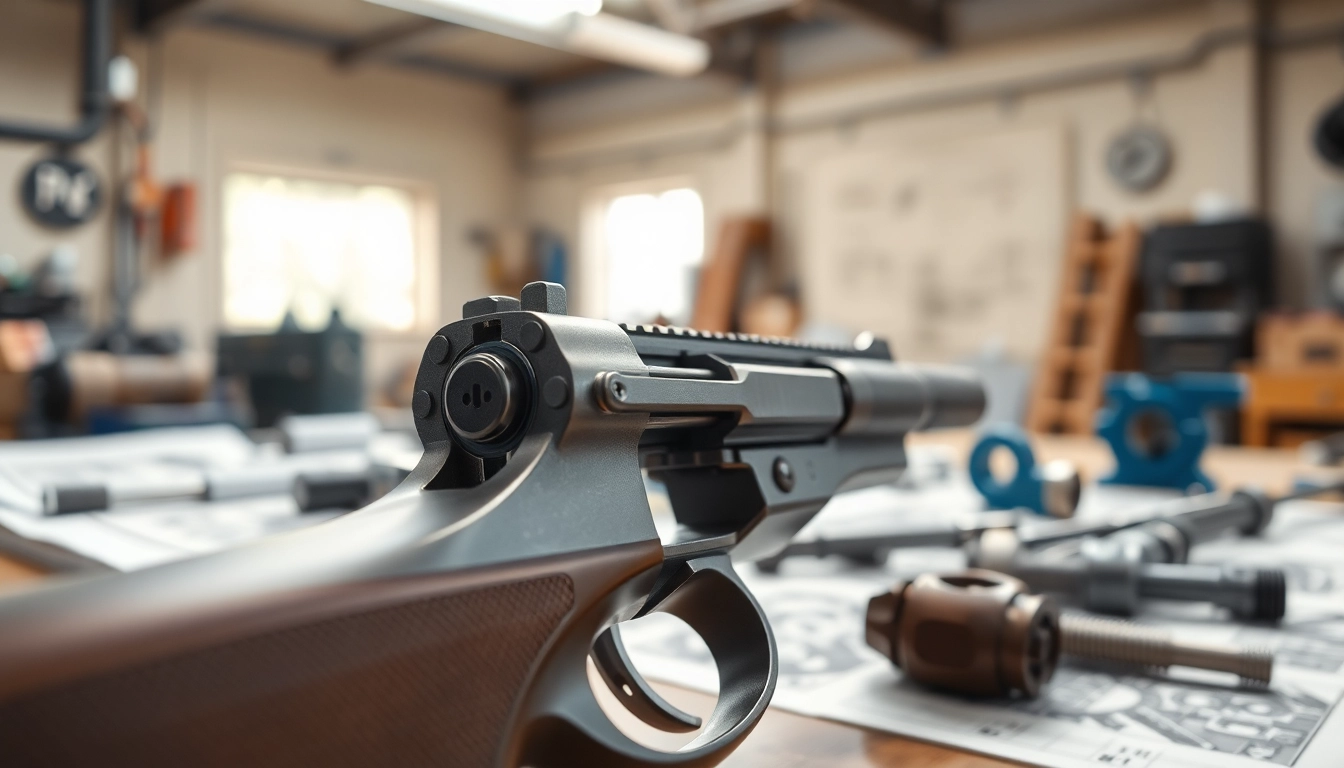
Introduction to Forced Reset Trigger
In the world of firearms, innovation is constantly pushing the boundaries of efficiency and performance. One such advancement is the Forced reset trigger, a device designed to enhance shooting speed and accuracy. This article will explore what a Forced reset trigger is, how it works, its benefits, and how to choose the right one for your firearm.
What is a Forced Reset Trigger?
A Forced reset trigger is a specialized trigger mechanism that allows for rapid firing of rounds by automatically resetting after each shot is fired. Unlike standard triggers, which require a manual reset between shots, a Forced reset trigger significantly reduces the trigger pull effort in subsequent shots, enabling the shooter to maintain a high rate of fire with less fatigue. It serves both recreational shooters and competitive marksmen who strive for efficiency and speed in their shooting practices.
The Mechanics Behind the Forced Reset Trigger
Understanding the mechanics of a Forced reset trigger is crucial for maximizing its potential. The core component of this trigger system is its unique design, which incorporates a reset mechanism that engages automatically after the hammer falls. When the shooter pulls the trigger, the weapon fires, and the mechanism forces the trigger to reset to its pre-firing position. This automatic reset allows for quicker subsequent shots without the typical travel distance and effort needed for a conventional trigger reset.
Most Forced reset triggers employ a design that integrates a combination of springs, levers, and digital components (in advanced models) to create this efficient firing system. The result is a trigger that can significantly increase shooting rate without compromising control or accuracy. As a result, this mechanism is highly beneficial for Tactical shooting, competition events, and even sub-second drills applicable for training scenarios.
Key Benefits of Using a Forced Reset Trigger
- Increased Rate of Fire: The most apparent benefit is the ability to fire much faster. Shooters can achieve a higher rounds-per-minute rate compared to traditional trigger setups.
- Reduced Fatigue: The ergonomic advantage of minimal trigger pull between shots enables shooters to experience less fatigue during extended shooting sessions.
- Improved Accuracy: With less effort needed to reset the trigger, shooters can focus more on aiming and less on mechanics, leading to improved accuracy on repeated shots.
- Adaptable for Various Situations: Whether in competitive environments or training, the Forced reset trigger can enhance performance across multiple shooting scenarios.
- Customization: Many Forced reset triggers allow for adjustments in pull weight and travel, catering to the specific preferences of different shooters.
How to Choose the Right Forced Reset Trigger
Choosing the right Forced reset trigger involves careful consideration of multiple factors to ensure compatibility with your firearm and personal shooting style. Here’s what you should consider.
Factors to Consider When Selecting a Forced Reset Trigger
- Compatibility: Ensure the Forced reset trigger is compatible with your specific firearm model. Not all triggers fit all firearms.
- Pull Weight and Travel: Different models offer variations in pull weights and distances. Select one that aligns with your shooting technique.
- Material Quality: The durability of the materials used in the mechanism can impact performance and longevity.
- User Reviews and Reputation: Research feedback from other users to gauge reliability, ease of installation, and performance during actual use.
- Warranty and Support: Check if the product comes with a warranty, indicating manufacturer confidence in their product.
Comparing Types of Forced Reset Triggers
Not all Forced reset triggers are created equal. Various types are available, each designed to satisfy specific preferences or firearm platforms. Common types include:
- Single-Stage Trigger: Best for those who prefer a direct feel without unnecessary complexity in mechanics.
- Two-Stage Trigger: Provides a tactile feedback before the final release, beneficial for precision shooting.
- Electronic Trigger: Employs digital mechanisms that enhance responsiveness and customization but can add complexity.
- Adjustable Triggers: Offer options for weight and travel adjustments to suit individual shooting styles.
When selecting a type, consider your shooting discipline, personal comfort, and the primary use of your firearm.
Common Mistakes to Avoid in Choosing a Forced Reset Trigger
When selecting a Forced reset trigger, being aware of common pitfalls can save time and ensure you make an informed decision:
- Ignoring Compatibility: Not verifying if the trigger fits your firearm can lead to a frustrating installation process or detrimental performance.
- Overlooking Quality: Opting for cheaper alternatives can result in reliability issues and a lack of durability.
- Neglecting User Feedback: Disregarding user reviews can mean missing out on vital insights into a trigger’s effectiveness and potential issues.
- Choosing Without Testing: If possible, try different triggers at a shooting range to find what feels best for you.
- Underestimating Maintenance Needs: Some triggers may require more maintenance than others. Consider your willingness to undertake regular upkeep.
Installation and Setup
Installing a Forced reset trigger may seem daunting, but with the right guidance and tools, it can be a straightforward process. Below is a step-by-step guide to assist you in installation and setup.
Step-by-Step Installation Guide for Forced Reset Trigger
- Safety First: Ensure your firearm is unloaded and secured while handling.
- Gather Tools: Have all necessary tools on hand (see next section).
- Remove the Old Trigger: Carefully disassemble the firearm according to the manufacturer’s guidelines to access the trigger group.
- Install the Forced Reset Trigger: Position the new trigger in the trigger housing and secure it following provided instructions.
- Reassemble the Firearm: Rebuild the firearm by reversing the disassembly process, ensuring all parts are correctly fitted.
- Test the Trigger Mechanism: Before live fire, check the trigger for proper function and reset behavior without ammunition.
- Function Check: If cautiously possible, verify the operation by performing dry fire tests.
Tools Needed for Installing a Forced Reset Trigger
The following tools are typically required for the installation of a Forced reset trigger:
- Flathead or Phillips Screwdriver
- Torque Wrench
- Roll Pin Punch Set
- Hammer
- Cleaning Supplies (optional but recommended for a clean workspace)
Keep in mind that while these tools are generally useful, double-check specific installation requirements for your trigger model.
Troubleshooting Common Installation Issues
During installation, you might encounter some common issues. Here’s how to troubleshoot them:
- Trigger Not Resetting: This could be due to an improper installation. Revisit the installation steps and ensure no parts are incorrectly positioned.
- Excessive Trigger Pull: Check for the proper adjustment of springs and components according to the manufacturer’s specifications.
- Overall Malfunction: If the trigger does not function correctly, consider removing and reinstalling it to eliminate potential errors during the initial setup.
- Failure Upon Dry Fire Testing: If dry fire tests highlight issues, consult the user manual or online resources for guidance.
Performance and Maintenance of Forced Reset Trigger
The performance and longevity of your Forced reset trigger can be optimized through regular maintenance and performance evaluations. Understanding these aspects will ensure you get the most out of your investment.
Measuring the Performance of Your Forced Reset Trigger
To assess the performance of your Forced reset trigger, consider the following metrics:
- Rate of Fire: Measure the rounds per minute you can achieve with sustained practice.
- Accuracy: Evaluate your shooting patterns over time to identify improvements or necessary adjustments.
- Ease of Use: Note how fatigued you feel after extended use. An effective trigger should minimize shooter fatigue.
- Response Time: Test the trigger function for rapid-fire capabilities during drills.
Maintenance Tips for Longevity of Forced Reset Trigger
Proper maintenance is essential for the longevity of your Forced reset trigger. Follow these guidelines:
- Regular Cleaning: Clean the trigger mechanism and surrounding trigger housing to eliminate debris, carbon build-up, or lubrication residue.
- Periodic Function Checks: Routinely check the trigger to ensure it resets properly and operates smoothly.
- Avoid Water Exposure: Keep firearms protected from exposure to moisture to prevent rust and deterioration of internal components.
- Store Properly: When storing your firearm, ensure it is in a dry location, ideally in a gun safe with desiccants to absorb any humidity.
When to Replace Your Forced Reset Trigger
Know when to replace your Forced reset trigger to maintain optimal performance. Signs indicating a replacement is necessary include:
- Frequent Malfunctions: If the trigger constantly fails to reset or does not fire when expected.
- Worn Components: Check for any visible wear or damage to the trigger mechanism or its housing.
- Reduced Performance: If you notice a consistent decrease in accuracy or fire rate over time.
- Difficulty in Functionality: If the trigger becomes increasingly difficult to pull, indicating possible internal malfunction.
FAQs about Forced Reset Triggers
What differentiates a Forced reset trigger from other triggers?
A Forced reset trigger automates the reset after firing, allowing for faster shooting with less effort compared to traditional triggers, which require manual resetting.
Can I install a Forced reset trigger myself?
Yes, many enthusiasts can install a Forced reset trigger with the right tools and knowledge. However, if unsure, consulting a professional gunsmith is advisable.
What are the safety considerations for using a Forced reset trigger?
Always treat every firearm as if it is loaded and follow basic gun safety rules. Additionally, ensure your trigger is correctly installed to avoid unintentional discharges.
How do I know if my Forced reset trigger is malfunctioning?
Malfunction signs include failure to reset, inconsistent firing, or difficulty in pulling the trigger. Routine checks can help identify issues early.
Are there specific brands recommended for Forced reset triggers?
While many brands offer Forced reset triggers, it is crucial to evaluate quality and reviews rather than relying on brand names. Select based on compatibility and performance.